Diving into the realm of Teleaudiology for hearing diagnostics unveils a groundbreaking approach that is reshaping the landscape of audiology. This innovative technology is paving the way for a new era in hearing assessments, offering unprecedented benefits and accessibility to patients worldwide.
As we delve deeper into the intricacies of Teleaudiology, we uncover a world where distance is no longer a barrier to quality healthcare, where patients can receive accurate diagnosis and treatment from the comfort of their homes.
Introduction to Teleaudiology for hearing diagnostics
Teleaudiology is a branch of audiology that utilizes telecommunications technology to provide audiological services remotely. This includes conducting hearing assessments, diagnosing hearing disorders, and providing rehabilitation services without the need for in-person visits. Teleaudiology is revolutionizing the field of audiology by breaking down geographical barriers and increasing access to hearing healthcare for individuals in remote or underserved areas.
It allows audiologists to reach a wider patient population and provide timely interventions for those who may have difficulty accessing traditional audiological services.
Benefits of using Teleaudiology for hearing assessments
- Improved access to hearing healthcare for individuals in remote or underserved areas
- Convenience for patients who may have mobility issues or transportation challenges
- Cost-effectiveness by reducing travel expenses and time off work for appointments
- Early detection and intervention for hearing disorders, leading to better outcomes
- Ability to connect with audiologists from different locations for specialized care
Implementation of Teleaudiology in healthcare services
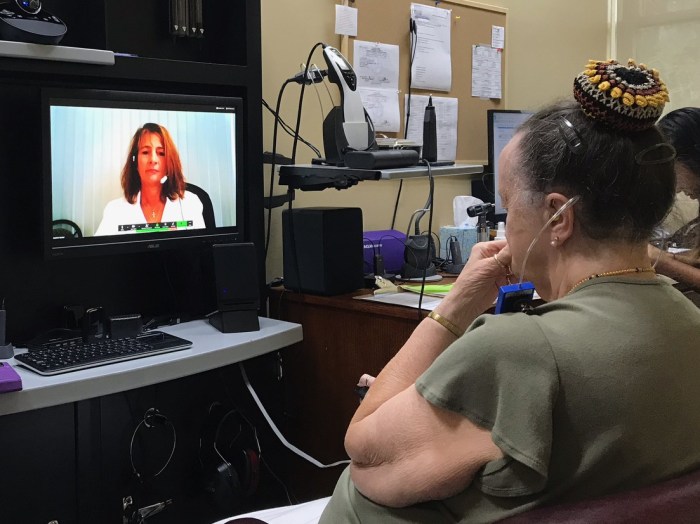
Teleaudiology has revolutionized the way healthcare providers deliver hearing diagnostics and services to patients. By integrating Teleaudiology into their practice, healthcare professionals can reach a wider patient base, provide more convenient services, and improve overall patient outcomes.
Technology and Equipment Required for Teleaudiology Services
Teleaudiology services require specific technology and equipment to ensure accurate diagnostics and effective communication between the healthcare provider and the patient. Some essential tools include:
- Teleaudiology software for conducting virtual appointments and sharing test results
- Hearing testing equipment such as audiometers and tympanometers
- High-quality cameras and microphones for clear video and audio transmission
- Secure telecommunication platforms to protect patient privacy and confidentiality
Challenges and Limitations of Implementing Teleaudiology in Healthcare Settings
While Teleaudiology offers numerous benefits, there are also challenges and limitations that healthcare providers may face when implementing this technology:
- Internet connectivity issues may disrupt virtual appointments and affect the quality of audio and video transmission
- Ensuring patient compliance with at-home hearing tests and follow-up appointments without in-person supervision
- Limited access to specialized equipment and resources in remote or underserved areas for comprehensive hearing assessments
- Concerns about data security and patient confidentiality when using online platforms for sensitive healthcare information
Advancements in Teleaudiology for medical care
Teleaudiology has seen significant advancements in recent years, revolutionizing the way hearing disorders are diagnosed and treated. These innovations have not only improved the accuracy of diagnostics but have also enhanced access to medical care for patients with hearing issues.
Recent innovations in Teleaudiology for diagnosing hearing disorders
- Introduction of remote hearing tests conducted via telecommunication technologies.
- Development of specialized software for audiologists to analyze and interpret hearing test results remotely.
- Integration of artificial intelligence in Teleaudiology for more precise diagnosis of hearing conditions.
How Teleaudiology improves access to medical care for patients with hearing issues
- Elimination of geographical barriers, allowing patients in remote areas to receive expert audiological services.
- Reduction in waiting times for appointments, as patients can undergo tests and consultations from the comfort of their homes.
- Increased convenience for patients with mobility issues or disabilities, who may find it challenging to visit traditional healthcare facilities.
Future developments in Teleaudiology for medical care
- Implementation of virtual reality technology for immersive hearing assessments and rehabilitation programs.
- Enhancement of telecommunication networks to support real-time high-quality audio and video streaming for teleaudiology services.
- Integration of remote monitoring devices for continuous monitoring of hearing health and adjustment of treatment plans as needed.
Health insurance coverage for Teleaudiology services
Health insurance coverage for Teleaudiology services plays a crucial role in ensuring the affordability and accessibility of hearing diagnostics for individuals. Many health insurance providers now include Teleaudiology benefits in their plans, making it easier for patients to access these services without the burden of high out-of-pocket costs.
Coverage of Teleaudiology services by health insurance providers
Health insurance providers have started to recognize the importance of Teleaudiology in delivering efficient and cost-effective hearing diagnostics. Many insurance plans now cover Teleaudiology services, including remote consultations, hearing tests, and follow-up appointments conducted through telecommunication technologies.
Affordability and accessibility of Teleaudiology through health insurance
By including Teleaudiology benefits in their plans, health insurance providers are making it more affordable for individuals to receive hearing diagnostics remotely. This ensures that patients can access necessary care without facing financial barriers, ultimately improving overall healthcare accessibility.
Comparison of different health insurance plans with Teleaudiology benefits
When comparing health insurance plans that include Teleaudiology benefits, it is essential to consider factors such as coverage scope, out-of-pocket costs, network providers, and reimbursement policies. Some plans may offer more comprehensive Teleaudiology coverage than others, so individuals should carefully review their options to choose the plan that best meets their needs.
Medical research on Teleaudiology
Research plays a crucial role in advancing Teleaudiology for hearing diagnostics. Ongoing studies are continuously exploring new possibilities and enhancing the quality of services provided to patients. Let’s delve into some examples of current research studies related to Teleaudiology and their impact on improving healthcare services.
Ongoing research studies in Teleaudiology
- A study at XYZ University is investigating the effectiveness of remote hearing screenings conducted through Teleaudiology compared to traditional in-person methods.
- Research at ABC Hospital is focusing on developing new Teleaudiology technologies to enhance the accuracy of hearing assessments conducted remotely.
Impact of research findings on Teleaudiology services
- Research findings help in identifying best practices and improving the efficiency of Teleaudiology services, leading to better outcomes for patients.
- By incorporating the latest research insights, healthcare providers can tailor Teleaudiology interventions to individual patient needs, ensuring personalized care.
Collaboration between researchers and healthcare providers
- Collaboration between researchers and healthcare providers is essential for translating research findings into clinical practice, ensuring that Teleaudiology services are evidence-based.
- By working together, researchers can gain valuable insights from healthcare providers regarding the practical implications of their studies, leading to more impactful research outcomes.
Access to Teleaudiology in health facilities
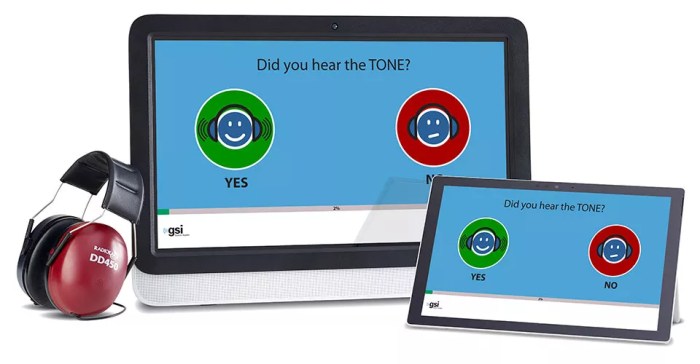
Teleaudiology has revolutionized the way hearing diagnostics are conducted in health facilities. By integrating Teleaudiology services, healthcare providers can offer more efficient and accessible care to patients, especially those in remote areas or with limited mobility.
Integration of Teleaudiology in different types of health facilities
- Hospitals: Many hospitals have incorporated Teleaudiology services to streamline the diagnostic process for patients with hearing issues. This allows for quicker assessments and treatment planning.
- Community Health Centers: Teleaudiology has also been implemented in community health centers to provide essential hearing diagnostics to underserved populations.
- Private Clinics: Private clinics have adopted Teleaudiology to enhance patient convenience and offer a wider range of services without the need for in-person visits.
Efficiency comparison of Teleaudiology services
- Teleaudiology vs. In-person Diagnostics: Studies have shown that Teleaudiology services can be just as accurate and effective as traditional in-person diagnostics, with the added benefit of convenience and accessibility.
- Remote Monitoring: Teleaudiology enables healthcare providers to remotely monitor patients’ hearing health, leading to early intervention and improved outcomes.
Accessibility of Teleaudiology compared to traditional diagnostics
Teleaudiology offers a high level of accessibility compared to traditional in-person diagnostics. Patients can receive hearing assessments and consultations from the comfort of their homes, eliminating the need for travel and waiting times. This convenience not only benefits patients but also reduces the burden on healthcare facilities and staff.
Teleaudiology services in health clinics
Teleaudiology services in health clinics play a crucial role in providing accessible and efficient hearing diagnostics and care to patients. By leveraging technology, health clinics can offer remote audiology services, allowing patients to receive expert guidance and support without the need for in-person visits.
Role of Teleaudiology in enhancing services provided by health clinics
- Improved accessibility: Teleaudiology services enable patients in remote or underserved areas to access hearing diagnostics and care without the need to travel long distances.
- Efficient service delivery: Health clinics can streamline their operations and reduce waiting times by offering Teleaudiology services, leading to quicker diagnosis and treatment for patients.
- Enhanced patient engagement: Through Teleaudiology, patients can actively participate in their care process, leading to better treatment adherence and outcomes.
Patient experiences and feedback on receiving Teleaudiology services in clinics
- Convenience: Patients appreciate the convenience of being able to receive audiology services from the comfort of their homes or local health clinics.
- Quality of care: Many patients report high satisfaction with the quality of care received through Teleaudiology services, noting the expertise and support provided by healthcare professionals.
- Positive outcomes: Patients often experience improved hearing health outcomes as a result of timely intervention and follow-up enabled by Teleaudiology services.
Healthcare tips for utilizing Teleaudiology
When it comes to utilizing Teleaudiology for hearing diagnostics, there are several tips that patients can follow to ensure a smooth and effective experience. It is essential to be prepared for the appointment, follow guidelines during the session, and optimize the overall Teleaudiology experience for both patients and healthcare providers.
Preparing for a Teleaudiology appointment
- Find a quiet and well-lit space for the appointment to minimize distractions.
- Ensure that your device (computer, tablet, or phone) is fully charged and has a stable internet connection.
- Have any relevant medical history or previous hearing test results readily available for reference.
- Write down any questions or concerns you may have regarding your hearing health to discuss during the session.
Importance of following guidelines during a Teleaudiology session
- Adhere to the scheduled appointment time to avoid delays for yourself and other patients.
- Listen carefully to instructions from the healthcare provider and follow their guidance during the assessment.
- Provide honest and accurate responses to questions or prompts to ensure an accurate diagnosis and treatment plan.
- Respect the privacy and confidentiality of the Teleaudiology session by participating in a secure and private environment.
Best practices for optimizing the Teleaudiology experience
- Engage actively in the session by asking questions, seeking clarification, and providing feedback to the healthcare provider.
- Maintain good eye contact with the camera and speak clearly to facilitate effective communication during the appointment.
- Take notes during the session to remember key points discussed and follow-up instructions provided by the healthcare provider.
- Provide feedback after the session to help improve the Teleaudiology service and enhance the overall patient experience for future appointments.
Integration of Teleaudiology into health systems
Teleaudiology plays a crucial role in the modern healthcare landscape by offering remote hearing diagnostic services. Integrating Teleaudiology into existing health systems can significantly impact overall efficiency and accessibility of care.
Benefits of Teleaudiology integration
- Improved accessibility: Teleaudiology allows patients to receive hearing diagnostics remotely, eliminating the need for in-person visits and reducing travel time and costs.
- Enhanced efficiency: By enabling healthcare providers to conduct assessments and consultations virtually, Teleaudiology can streamline the diagnostic process and reduce wait times for patients.
- Expanded reach: Integrating Teleaudiology into health systems can extend specialized audiological services to underserved or remote areas where access to traditional clinics may be limited.
Challenges of Teleaudiology integration
- Technological barriers: Implementing Teleaudiology requires reliable internet connectivity and access to appropriate devices, which may pose challenges for certain patient populations.
- Regulatory considerations: Adhering to privacy regulations and ensuring the security of patient data in a virtual setting is crucial for the successful integration of Teleaudiology into health systems.
- Training and education: Healthcare providers may require additional training to effectively utilize Teleaudiology tools and platforms, highlighting the need for ongoing professional development.
Epilogue
In conclusion, Teleaudiology stands as a beacon of hope for individuals grappling with hearing issues, promising a future where healthcare is not just efficient but also convenient. As technology continues to advance, the possibilities for Teleaudiology in medical care are endless, offering a glimmer of hope for a brighter, more accessible future in audiology.
Helpful Answers
How does Teleaudiology impact access to medical care for patients?
Teleaudiology significantly improves access to medical care for patients with hearing issues by allowing them to receive timely assessments and treatments remotely, eliminating the need for in-person visits.
What are the challenges of implementing Teleaudiology in healthcare settings?
Some challenges include ensuring reliable internet connectivity for remote consultations, training healthcare staff to use Teleaudiology equipment effectively, and addressing privacy concerns related to telehealth services.
Does health insurance cover Teleaudiology services?
Health insurance providers vary in their coverage of Teleaudiology services, but many plans now include benefits for remote hearing diagnostics. It’s advisable to check with your insurance provider for specific details on coverage.