
Benefits of breastfeeding for child health: Nourishing Development and Wellness delves into the crucial advantages of breastfeeding for a child’s overall well-being, exploring the nutritional, immune-boosting, and long-term health benefits that breastfeeding offers. Additionally, it sheds light on the emotional and psychological bonds formed through this natural process.
This comprehensive guide provides insights into the various aspects of child health that are positively influenced by breastfeeding, from reducing healthcare costs to promoting healthy growth and development. The impact of breastfeeding on preventing future health issues and enhancing overall well-being is also highlighted.
Benefits of breastfeeding for child health
Breastfeeding provides numerous health benefits for children, contributing to their overall well-being and development. The nutritional composition of breast milk plays a crucial role in supporting a child’s growth and immune system.
Nutritional Benefits of Breastfeeding
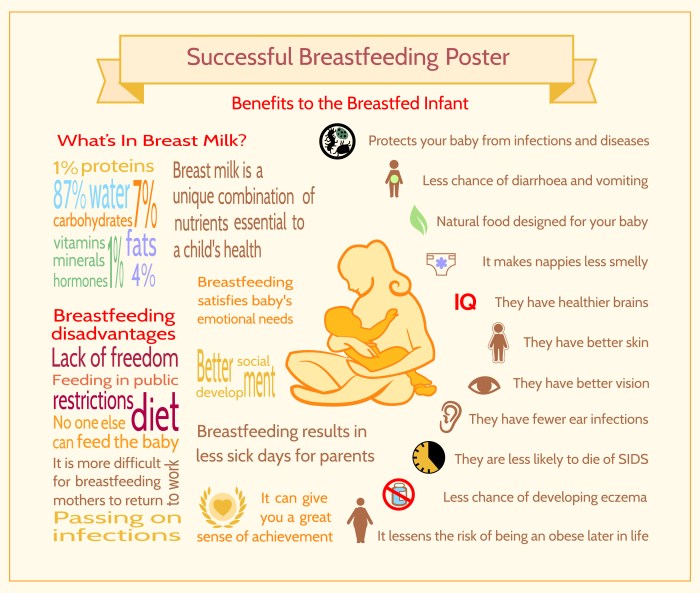
- Breast milk contains essential nutrients, proteins, and antibodies that are easily digestible for infants, promoting healthy growth and development.
- It adapts to the changing needs of the baby, providing the ideal balance of nutrients that formula milk cannot replicate.
- Colostrum, the first milk produced after birth, is rich in antibodies that help protect the newborn against infections and diseases.
Boosting the Immune System
- Breastfeeding helps strengthen the baby’s immune system by passing on antibodies from the mother, reducing the risk of infections, allergies, and chronic conditions.
- Studies have shown that breastfed infants have a lower incidence of respiratory infections, ear infections, and gastrointestinal issues compared to formula-fed babies.
Long-Term Health Advantages
- Children who were breastfed are less likely to develop obesity, diabetes, and certain types of cancer later in life, showcasing the long-term health benefits of breastfeeding.
- Research suggests that breastfeeding may also contribute to better cognitive development and lower rates of behavioral problems in children.
Emotional Bonding and Psychological Benefits
- Breastfeeding fosters a strong emotional bond between the mother and child, promoting feelings of security, comfort, and closeness.
- The skin-to-skin contact and eye contact during breastfeeding help in establishing a secure attachment, which has long-lasting positive effects on the child’s emotional well-being.
Healthcare
Breastfeeding not only provides numerous benefits for a child’s health but also helps in reducing healthcare costs compared to formula feeding. The natural antibodies present in breast milk help protect infants from infections and illnesses, resulting in fewer doctor visits and hospitalizations.
Reduced Risk of Childhood Illnesses
- Breastfed babies have a lower risk of developing respiratory infections, ear infections, and gastrointestinal issues.
- They are also less likely to suffer from conditions like asthma, allergies, and obesity later in life.
- The antibodies and nutrients in breast milk boost the immune system, offering long-term protection against various diseases.
Promoting Healthy Growth and Development
- Breastfeeding supports optimal brain development due to the presence of essential fatty acids like DHA.
- Children who are breastfed are less likely to experience developmental delays or cognitive issues.
- The bonding experience during breastfeeding fosters emotional well-being and promotes a healthy parent-child relationship.
Health Addictions
Breastfeeding not only benefits a child’s physical health but also plays a crucial role in their mental and emotional well-being. One fascinating aspect is the impact of breastfeeding on reducing the risk of future substance addictions in children.
Reduced Risk of Addictive Behaviors
Research suggests that breastfeeding may be linked to a lower risk of developing addictive behaviors later in life. Breast milk contains essential nutrients and antibodies that support brain development and emotional regulation in infants. This early nurturing and bonding experience during breastfeeding can have a lasting effect on a child’s ability to cope with stress and regulate emotions, potentially reducing the likelihood of turning to substances to cope with difficulties later in life.
- Breastfeeding has been associated with lower rates of behavioral problems and hyperactivity in children, which are factors that can contribute to the development of addictive behaviors.
- The emotional connection formed during breastfeeding may help children develop secure attachments and healthy coping mechanisms, reducing the vulnerability to addiction.
- Studies have shown that breastfed infants tend to have better self-regulation skills, which are essential in resisting impulsive behaviors that can lead to substance abuse.
Alternative Treatment
Breastfeeding is not only beneficial for child health but can also be considered a natural alternative treatment for certain childhood health conditions. The unique composition of breast milk provides essential nutrients, antibodies, and enzymes that can help prevent and manage various health issues in infants and young children.
Respiratory Infections
Breastfeeding can help reduce the risk and severity of respiratory infections such as pneumonia, bronchiolitis, and the common cold. The antibodies present in breast milk can boost the baby’s immune system, providing protection against respiratory pathogens. Additionally, the act of breastfeeding itself can help clear mucus from the baby’s airways, aiding in easier breathing.
Gastrointestinal Disorders
Children who are breastfed are less likely to suffer from gastrointestinal disorders such as diarrhea, constipation, and gastroenteritis. The probiotics in breast milk promote the growth of healthy gut bacteria, which can prevent infections and regulate digestion. Breast milk is also easily digestible, reducing the risk of stomach upset and discomfort in infants.
Allergies and Asthma
Breastfeeding has been linked to a lower risk of developing allergies and asthma later in life. The antibodies and anti-inflammatory compounds in breast milk can help reduce inflammation and allergic reactions in children. By providing a protective barrier against allergens, breastfeeding can play a crucial role in preventing the onset of allergic conditions.
Complementing Medical Treatments
In cases where traditional medical treatments are necessary, breastfeeding can complement these interventions by enhancing their effectiveness. For example, breast milk can help soothe a baby’s skin after receiving topical treatments for eczema or diaper rash. The comfort and nutrients provided during breastfeeding can also support a child’s recovery from illnesses or medical procedures.
Beauty and Cosmetics
Breastfeeding not only provides numerous health benefits for children but also contributes to their skin health and appearance. The natural nutrients and antibodies present in breast milk play a vital role in promoting healthy skin and overall well-being in infants.
Impact on Skin Health
- Breast milk contains essential fatty acids that help nourish the skin and maintain its moisture, reducing the risk of dryness and irritation.
- The antibodies present in breast milk help strengthen the immune system, protecting the child’s skin from infections and allergies.
- The act of breastfeeding itself promotes bonding between mother and child, releasing oxytocin that can have a calming effect on the baby’s skin, reducing issues like eczema.
Child Health
Breastfeeding provides numerous nutrients essential for optimal child health, contributing to their overall well-being and development.
Nutrients in Breast Milk
- Proteins: Breast milk contains high-quality proteins that are easily digestible and support the growth and development of the child.
- Carbohydrates: The carbohydrates in breast milk provide energy for the baby’s activities and metabolic functions.
- Fats: Breast milk is rich in healthy fats that are crucial for brain development and overall growth.
- Vitamins and Minerals: Breast milk contains a variety of vitamins and minerals that are necessary for the baby’s immune system, bone development, and overall health.
Preventing Childhood Obesity and Healthy Weight
Breastfeeding plays a crucial role in preventing childhood obesity and promoting healthy weight in children. Breastfed babies are less likely to become overweight or obese later in life compared to formula-fed babies. This is due to several factors, including the ability of breast milk to regulate appetite and promote healthy eating habits.
Breastfeeding also helps in the development of a healthy gut microbiome, which can impact metabolism and weight regulation.
Health and Fitness
Breastfeeding plays a crucial role in promoting healthy growth and physical fitness in children. It provides essential nutrients and antibodies that help in building a strong immune system and overall well-being.
Support for Physical Development, Benefits of breastfeeding for child health
- Breast milk contains the perfect balance of nutrients that are easily digestible, promoting healthy weight gain and muscle development in infants.
- The act of breastfeeding also helps in the development of oral muscles, jaw strength, and coordination, which are essential for feeding and speech development later on.
- Research has shown that breastfed babies are less likely to become overweight or obese later in life, reducing the risk of obesity-related health issues.
Enhanced Immune System
- The antibodies present in breast milk help protect infants from infections and illnesses, reducing the likelihood of missed days from school or activities due to sickness.
- By supporting a strong immune system, breastfeeding contributes to overall physical fitness by allowing children to engage in physical activities without being hindered by frequent illnesses.
- Studies have shown that breastfed children have lower rates of asthma, allergies, and respiratory infections, indicating better respiratory health and fitness.
Medicine: Benefits Of Breastfeeding For Child Health
Breast milk is known to contain a variety of medicinal properties that can significantly enhance the health of children. It is a natural source of nutrients, antibodies, and other beneficial components that play a crucial role in preventing illnesses and infections.
Potential Medicinal Properties of Breast Milk
- Breast milk contains antibodies that help strengthen the immune system of infants, protecting them from various infections and diseases.
- It also contains enzymes and white blood cells that aid in digestion and fight off harmful bacteria and viruses.
- The high levels of lactoferrin in breast milk have antimicrobial properties, reducing the risk of infections in infants.
- Colostrum, the first milk produced after childbirth, is particularly rich in antibodies and essential nutrients that support the baby’s immune system.
Mental Health
Breastfeeding not only benefits a child’s physical health but also plays a crucial role in their mental well-being and emotional health. The psychological impact of breastfeeding extends to both the child and the mother, promoting a strong bond and positive mental states.
Emotional Bonding
- Breastfeeding fosters a deep emotional connection between the mother and child, creating a sense of security and comfort for the infant.
- The skin-to-skin contact during breastfeeding releases oxytocin, also known as the “love hormone,” which helps in strengthening the bond between the mother and baby.
- This emotional bonding established through breastfeeding can have long-lasting effects on the child’s mental health, promoting a sense of trust and attachment.
Reduced Stress and Anxiety
- Research has shown that breastfeeding can help reduce stress and anxiety levels in both the mother and the child.
- The act of breastfeeding triggers the release of hormones that promote relaxation and calmness, benefiting the mental well-being of both the mother and baby.
- Mothers who breastfeed often report feeling more connected to their infants and experience lower levels of postpartum depression.
Health and Nutrition
Breast milk is considered the gold standard for infant nutrition due to its unique composition that is tailored specifically to meet the needs of a growing baby. It contains a perfect balance of nutrients, antibodies, and hormones that are essential for the optimal growth and development of a child.
Nutritional Value of Breast Milk vs. Formula
- Breast milk contains a perfect blend of proteins, fats, carbohydrates, vitamins, and minerals that are easily digestible and bioavailable for infants.
- Formula, on the other hand, is a man-made substitute that may not match the exact composition of breast milk, leading to potential differences in nutrient absorption and utilization.
- Breast milk also contains antibodies and enzymes that help protect infants from infections and diseases, which formula cannot replicate.
Importance of Breastfeeding in Establishing Healthy Eating Habits
Breastfeeding plays a crucial role in shaping a child’s future eating habits and preferences. The flavors of various foods that a mother consumes can be transmitted to breast milk, exposing the infant to different tastes early on. This exposure during breastfeeding can influence a child’s acceptance of a variety of foods later in life, promoting a diverse and healthy diet.
Research has shown that breastfed infants are less likely to develop obesity, diabetes, and other health conditions later in life compared to formula-fed infants.
Health and Pharmacy
Breast milk plays a crucial role in reducing the need for pharmaceutical interventions in children. Let’s delve into the benefits of breastfeeding in improving immune response and minimizing the reliance on medications.
Potential role of breast milk in reducing pharmaceutical interventions
Breast milk is a powerhouse of nutrients and antibodies that help strengthen a child’s immune system. By providing essential nutrients and immune-boosting properties, breast milk can potentially reduce the frequency of illnesses in infants and young children. This, in turn, lowers the need for pharmaceutical interventions such as antibiotics, antipyretics, and other medications commonly prescribed for childhood illnesses.
Benefits of breastfeeding in improving immune response
- Breast milk contains antibodies that help protect infants from various infections and diseases.
- It promotes the growth of beneficial bacteria in the gut, enhancing the immune response.
- Exclusive breastfeeding for the first six months has been linked to a lower risk of allergies and asthma in children.
- The unique composition of breast milk helps in the development of a robust immune system, reducing the likelihood of infections.
Reproductive Health
Breastfeeding not only benefits a child’s immediate health but also plays a crucial role in shaping their reproductive health in the long term. The nutrients and antibodies present in breast milk contribute to the overall well-being of the child, laying a strong foundation for their reproductive health as they grow.
Impact on Reproductive Health Outcomes
- Breastfeeding has been linked to a reduced risk of certain reproductive health issues in adulthood, such as polycystic ovary syndrome (PCOS) in females. The hormonal balance established during breastfeeding can have lasting positive effects on reproductive function.
- Research suggests that individuals who were breastfed as infants may have a lower risk of developing conditions like endometriosis or fertility issues later in life. The bonding experience and immune system support provided by breastfeeding can influence reproductive health outcomes positively.
- Furthermore, breastfeeding can help regulate menstrual cycles and hormone levels in females, potentially reducing the likelihood of reproductive disorders or irregularities. The long-term benefits of breastfeeding extend beyond infancy, impacting reproductive health well into adulthood.
Wrap-Up
In conclusion, the Benefits of breastfeeding for child health go beyond physical nourishment, encompassing emotional connections and long-lasting health benefits. By understanding the holistic advantages of breastfeeding, we can prioritize the well-being and development of future generations.
General Inquiries
Does breastfeeding have any long-term health advantages for children?
Yes, breastfeeding can provide long-term health benefits by reducing the risk of certain illnesses, promoting healthy growth, and preventing childhood obesity.
How does breastfeeding impact a child’s mental health?
Breastfeeding can positively influence a child’s mental well-being and emotional health, benefiting both the child and the mother in terms of bonding and emotional connection.
Is breastfeeding cost-effective compared to formula feeding?
Yes, breastfeeding is generally more cost-effective as it reduces healthcare costs and can lower the risk of certain childhood illnesses, leading to overall savings in the long run.
Can breastfeeding promote healthy skin in children?
Yes, breastfeeding can have a positive impact on a child’s skin health and appearance, contributing to their natural beauty and overall well-being.


