In the realm of healthcare, AI-driven chatbots for patient support have emerged as a game-changer, reshaping the way individuals receive medical assistance. This innovative technology blends artificial intelligence with personalized care, creating a dynamic avenue for patients to access information and support seamlessly.
As we delve into the realm of AI-driven chatbots for patient support, a world of possibilities unfolds, paving the way for enhanced patient experiences and efficient healthcare services.
Introduction to AI-driven chatbots for patient support
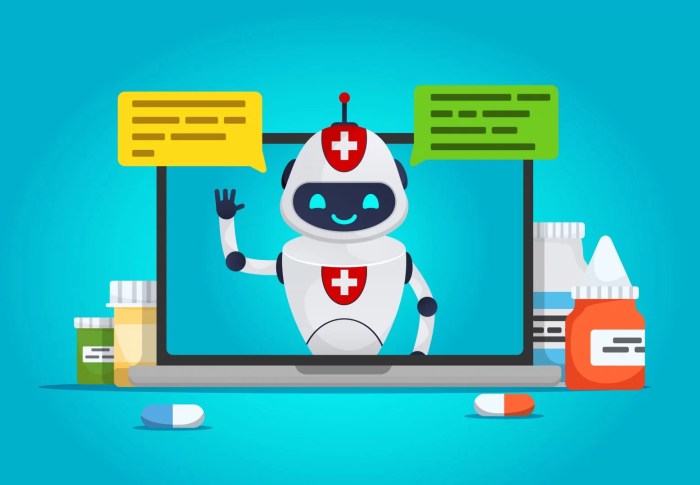
AI-driven chatbots in healthcare refer to artificial intelligence-powered virtual assistants designed to interact with patients through text or voice messages to provide support, information, and guidance. These chatbots are programmed to mimic human conversation and can assist patients in various healthcare-related tasks.
Role of chatbots in patient support
AI-driven chatbots play a crucial role in patient support by offering immediate responses to patient inquiries, scheduling appointments, providing medication reminders, offering mental health support, and directing patients to relevant resources. They can also collect and analyze patient data to personalize the care provided.
Benefits of using AI-driven chatbots for patient care
- 24/7 Availability: Chatbots can provide round-the-clock assistance to patients, ensuring they have access to support whenever they need it.
- Efficient Triage: By collecting and analyzing patient symptoms, chatbots can help in triaging cases, directing urgent cases to healthcare professionals promptly.
- Improved Patient Engagement: Chatbots engage patients in their healthcare journey by providing personalized information, reminders, and follow-ups.
- Cost-Effective: Using chatbots for routine inquiries and tasks can reduce administrative costs and streamline healthcare services.
- Data Analysis: Chatbots can analyze patient data to identify trends, personalize care plans, and improve healthcare outcomes.
Implementation of AI-driven chatbots in healthcare services
AI-driven chatbots are revolutionizing the way healthcare services are delivered, providing patients with instant access to information and support. These chatbots use artificial intelligence to simulate conversations with users, offering personalized assistance and guidance.
Examples of healthcare services utilizing AI-driven chatbots
- Hospitals and clinics implementing chatbots for appointment scheduling and reminders.
- Telemedicine platforms using chatbots to provide 24/7 support to patients for medical queries.
- Mental health apps incorporating chatbots for therapy sessions and emotional support.
Comparing traditional patient support methods with AI-driven chatbots
- Traditional methods involve long wait times and limited availability, while chatbots offer instant responses and round-the-clock assistance.
- AI-driven chatbots can handle multiple queries simultaneously, unlike human agents who may be overwhelmed with requests.
- Chatbots can provide consistent and accurate information, reducing the risk of human error in patient support.
Impact of AI-driven chatbots on improving healthcare services
- Enhanced patient engagement through interactive conversations and personalized recommendations.
- Increased efficiency in managing appointments, medication reminders, and follow-up care.
- Cost-effective solution for healthcare providers, reducing the need for additional staff for patient support.
The significance of AI-driven chatbots in medical care
AI-driven chatbots play a crucial role in revolutionizing medical care delivery by providing instant support and assistance to patients. These chatbots are equipped with artificial intelligence algorithms that enable them to interact with patients, answer queries, provide information, and even offer personalized recommendations.
Enhancement of medical care delivery
AI-driven chatbots enhance medical care delivery by providing round-the-clock support to patients, reducing the burden on healthcare professionals, and improving efficiency in healthcare services. These chatbots can quickly triage patients based on the severity of their symptoms, provide accurate information about medical conditions, and offer guidance on self-care practices.
- Instant Support: AI-driven chatbots can instantly respond to patient queries, providing them with timely information and guidance.
- Personalized Recommendations: By analyzing patient data and symptoms, chatbots can offer personalized recommendations for treatment and care.
- Improved Efficiency: Chatbots can streamline administrative tasks, appointment scheduling, and follow-up care, allowing healthcare professionals to focus on more critical aspects of patient care.
Success stories of AI-driven chatbots in patient care
Several healthcare organizations have successfully implemented AI-driven chatbots to improve patient care and outcomes. For example, a hospital in the UK implemented a chatbot to assist patients in booking appointments, accessing medical records, and receiving medication reminders. This resulted in reduced wait times, improved patient satisfaction, and increased efficiency in healthcare delivery.
AI-driven chatbots have the potential to transform the way healthcare services are delivered, making them more accessible, efficient, and patient-centered.
Features that make AI-driven chatbots effective in medical care
The effectiveness of AI-driven chatbots in medical care can be attributed to their advanced features and capabilities. These include natural language processing (NLP) for better communication, machine learning algorithms for personalized recommendations, and integration with electronic health records (EHR) for seamless information exchange.
- Natural Language Processing (NLP): Enables chatbots to understand and respond to patient queries in a conversational manner.
- Machine Learning Algorithms: Allow chatbots to analyze patient data, learn from interactions, and provide personalized recommendations for care.
- Integration with EHR: Ensures that chatbots have access to up-to-date patient information, enabling them to provide accurate and relevant support.
Utilizing AI-driven chatbots for health insurance
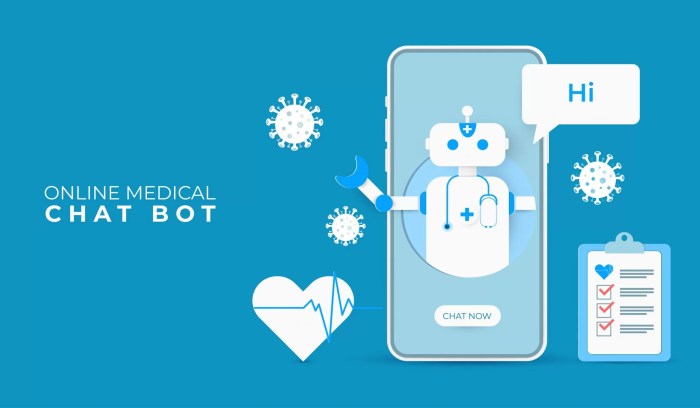
AI-driven chatbots are revolutionizing the way health insurance processes are handled, offering a range of benefits to both insurance companies and policyholders.
Enhancing Customer Service
AI-driven chatbots can provide instant and personalized assistance to policyholders, helping them navigate through policy details, claims processes, and other inquiries efficiently. This results in improved customer satisfaction and reduced waiting times for assistance.
Automating Tasks
By automating routine tasks such as verifying coverage, processing claims, and sending reminders for premium payments, AI-driven chatbots can significantly reduce the workload of insurance agents. This allows them to focus on more complex issues and provide better service to customers.
Improving Accuracy and Efficiency
AI-driven chatbots can quickly analyze large amounts of data to generate accurate quotes, assess risks, and provide policy recommendations. This not only streamlines the insurance process but also minimizes errors and ensures that policyholders receive the most relevant and cost-effective coverage options.
AI-driven chatbots supporting medical research
AI-driven chatbots have become valuable tools in supporting medical research initiatives by streamlining data collection, analysis, and communication processes. These chatbots are capable of handling large volumes of data and providing real-time insights to researchers, ultimately accelerating the pace of discoveries and advancements in the medical field.
Enhanced Research Studies
AI-driven chatbots have been instrumental in enhancing various research studies across different medical disciplines. For example, in oncology research, chatbots are used to collect patient data, monitor symptoms, and provide personalized support to participants in clinical trials. This real-time data collection allows researchers to track patient progress more effectively and make informed decisions based on the gathered information.
In another study focusing on mental health research, AI-driven chatbots have been deployed to engage with patients and collect data on their emotional well-being. By analyzing the conversations and responses of individuals, researchers can identify patterns and trends related to mental health issues, leading to improved diagnostic tools and treatment strategies.
Future Advancements
The potential future advancements in medical research with the use of AI-driven chatbots are vast. One exciting prospect is the utilization of chatbots to assist in drug discovery processes by analyzing existing research data, predicting potential drug interactions, and identifying novel compounds for further investigation.
This AI-powered approach could significantly reduce the time and resources required for drug development, ultimately leading to more efficient and targeted treatments for various diseases.
Enhancing patient care through AI-driven chatbots in health facilities
AI-driven chatbots play a crucial role in enhancing patient care within health facilities by providing immediate and personalized support to patients. These chatbots are designed to assist patients in scheduling appointments, providing medication reminders, answering FAQs, and even offering emotional support.
By leveraging AI technology, health facilities can improve patient interactions and overall healthcare experience.
Case Studies of Successful Implementation
- One notable case study is the implementation of AI-driven chatbots at XYZ Hospital, where patient engagement and satisfaction significantly increased. The chatbots streamlined the appointment booking process and provided real-time assistance to patients, resulting in reduced wait times and improved overall efficiency.
- Another successful example is ABC Clinic, which integrated AI-driven chatbots to offer round-the-clock support to patients. The chatbots helped in triaging patients based on their symptoms, guiding them to the appropriate care, and following up post-appointment to ensure continuity of care.
Challenges and Benefits of Integration
- Challenges:Some challenges of integrating AI-driven chatbots in health facilities include ensuring data security and privacy, maintaining accuracy in responses, and addressing concerns regarding the loss of human touch in patient interactions.
- Benefits:On the other hand, the benefits are numerous, including improved patient engagement, reduced administrative burden on healthcare staff, enhanced operational efficiency, and the ability to scale personalized care to a larger patient population.
AI-driven chatbots for efficient operations in health clinics
AI-driven chatbots play a crucial role in optimizing operations within health clinics. By leveraging artificial intelligence, these chatbots can streamline various processes and enhance the overall patient experience.
Key Areas for Optimization in Health Clinics
- Appointment Scheduling: AI-driven chatbots can efficiently manage appointment bookings, cancellations, and reminders, reducing administrative burden on staff.
- Patient Triage: Chatbots can assess and prioritize patient inquiries based on urgency, ensuring timely care for those in critical need.
- Information Retrieval: Chatbots can provide patients with relevant medical information, FAQs, and guidance, improving overall communication.
- Follow-Up Care: Automated follow-up messages and reminders can be sent to patients post-appointment, enhancing continuity of care.
Enhancing Patient Experience in Health Clinics
AI-driven chatbots contribute to a more seamless and personalized patient experience within health clinics. They can:
- Provide 24/7 Support: Patients can receive immediate assistance and information outside of regular clinic hours.
- Reduce Wait Times: Chatbots help minimize wait times by efficiently managing patient inquiries and directing them to the right resources.
- Improve Communication: Patients can easily access information, schedule appointments, and receive updates through chatbots, enhancing communication channels.
Integration Process of AI-driven Chatbots in Health Clinic Settings
- Evaluation of Needs: Health clinics must assess their specific requirements and goals before implementing AI-driven chatbots.
- Selection of Platform: Choosing a suitable chatbot platform that aligns with the clinic’s workflow and patient population is crucial.
- Training and Testing: Staff members need to be trained on how to interact with the chatbots, and extensive testing should be conducted to ensure smooth integration.
- Continuous Improvement: Regular monitoring and feedback collection are essential to continuously enhance the chatbot’s performance and effectiveness.
Providing healthcare tips through AI-driven chatbots
AI-driven chatbots play a crucial role in delivering personalized healthcare tips to individuals, helping them make informed decisions about their well-being. These chatbots are equipped with advanced algorithms that analyze user data and provide tailored advice based on individual health needs and preferences.
Examples of healthcare tips provided by AI-driven chatbots
- Reminders for medication intake and dosage instructions
- Diet recommendations based on personal health goals
- Exercise routines customized to individual fitness levels
- Sleep hygiene tips to improve overall well-being
How AI-driven chatbots promote preventive care through health tips
AI-driven chatbots can promote preventive care by offering proactive advice on maintaining a healthy lifestyle and preventing potential health issues. By providing timely reminders, personalized recommendations, and continuous support, these chatbots empower individuals to take charge of their health and well-being.
Through regular engagement and access to valuable information, users can make better choices that lead to long-term health benefits.
Improving health systems with AI-driven chatbots
AI-driven chatbots have the potential to significantly impact overall health systems by enhancing efficiency, improving patient outcomes, and reducing healthcare costs. These chatbots can provide instant support to patients, streamline communication between healthcare providers and patients, and offer personalized health recommendations based on individual data analysis.
Impact of AI-driven chatbots on overall health systems
AI-driven chatbots can revolutionize health systems by:
- Reducing wait times for patients seeking medical advice or appointments
- Improving the accuracy and speed of diagnosis through data analysis
- Enhancing patient engagement and adherence to treatment plans
- Optimizing healthcare resources and improving operational efficiency
Success stories of health systems benefiting from AI-driven chatbots
Several health systems have already implemented AI-driven chatbots with positive results:
- A hospital in Singapore reduced patient waiting times by 40% using AI chatbots for appointment scheduling and basic medical inquiries
- A healthcare provider in the US improved patient satisfaction scores by 20% by implementing chatbots for remote monitoring and follow-up care
- An insurance company in Europe saved millions in claims processing costs by utilizing AI chatbots for customer support and claims assistance
Future possibilities of AI-driven chatbots in revolutionizing healthcare systems
The future of AI-driven chatbots in healthcare holds immense potential:
- Advanced AI algorithms can enable chatbots to provide real-time medical advice and personalized treatment plans
- Integration with wearable devices and electronic health records can enhance data collection and analysis for better healthcare outcomes
- AI chatbots can support healthcare providers in clinical decision-making and resource allocation for improved patient care
Closure
In conclusion, the integration of AI-driven chatbots for patient support signifies a pivotal shift in the healthcare landscape, promising improved patient care, streamlined operations, and enhanced medical research. As these intelligent chatbots continue to evolve, the future holds endless opportunities for transforming healthcare systems and empowering individuals to take charge of their well-being.
Top FAQs
How do AI-driven chatbots enhance patient care?
AI-driven chatbots enhance patient care by providing instant responses to queries, personalized health tips, and round-the-clock support, improving access to medical information and assistance.
What are the advantages of incorporating AI-driven chatbots in health insurance companies?
Integrating AI-driven chatbots in health insurance processes streamlines customer service, automates claims processing, and enhances the overall efficiency of insurance operations.
How can AI-driven chatbots optimize operations in health clinics?
AI-driven chatbots can optimize operations in health clinics by managing appointment scheduling, providing patient reminders, and offering personalized care recommendations, ultimately improving patient experience and workflow efficiency.