
Integrative care plans developed by health specialists set the stage for this enthralling narrative, offering readers a glimpse into a story that is rich in detail and brimming with originality. This topic delves into the concept of integrative care plans in healthcare, highlighting the importance of specialized care tailored to individual needs.
As we unravel the layers of integrative care plans, we will explore the benefits they bring to patients and the holistic approach taken by health specialists to enhance overall well-being.
Integrative care plans developed by health specialists
Integrative care plans in healthcare involve a comprehensive approach to patient treatment that combines conventional medicine with complementary therapies. These plans are tailored to individual patient needs and aim to address not just the physical symptoms but also the emotional, social, and spiritual aspects of health.
Components of Integrative Care Plans
- Medical treatments: This includes traditional therapies such as medications, surgeries, and procedures.
- Complementary therapies: These may include acupuncture, massage therapy, herbal supplements, and mind-body practices like yoga or meditation.
- Nutritional counseling: Providing guidance on healthy eating habits and personalized nutrition plans.
- Physical therapy: Incorporating exercises and rehabilitation programs to improve mobility and function.
- Mental health support: Offering counseling, psychotherapy, or support groups to address emotional well-being.
Benefits of Health Specialists Developing Integrative Care Plans
- Personalized approach: Health specialists can create individualized care plans based on a patient’s unique needs and preferences.
- Holistic care: By considering all aspects of a patient’s health, specialists can provide comprehensive treatment that promotes overall well-being.
- Improved outcomes: Integrating different therapies can lead to better treatment outcomes and enhanced quality of life for patients.
- Patient empowerment: Involving patients in the decision-making process and offering a variety of treatment options can empower them to take an active role in their health.
- Collaborative care: Health specialists from different disciplines can work together to coordinate care and ensure a cohesive treatment plan for the patient.
Healthcare services
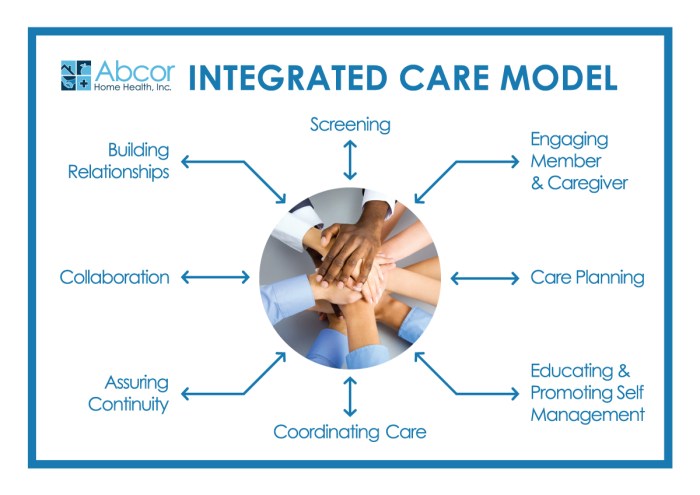
Healthcare services encompass a wide range of medical interventions and support provided to individuals to maintain or improve their health. These services are crucial for ensuring the well-being of communities and individuals.
Types of healthcare services
- Preventive healthcare services focus on promoting health and preventing diseases before they occur. This includes vaccinations, screenings, and health education.
- Curative healthcare services, on the other hand, aim to diagnose and treat diseases once they have already developed. This includes medical treatments, surgeries, and rehabilitation services.
Importance of accessible healthcare services
Accessible healthcare services play a vital role in communities by ensuring that individuals can receive timely and appropriate care when needed. Some key reasons why accessible healthcare services are important include:
- Early detection and treatment of diseases, which can lead to better health outcomes and lower healthcare costs in the long run.
- Improving overall community health and well-being, as individuals are more likely to seek healthcare services when they are easily accessible.
- Reducing health disparities among different populations, as everyone should have equal access to quality healthcare services regardless of their background or socioeconomic status.
Medical care
Medical care plays a crucial role in promoting overall health and well-being by providing essential services to prevent, diagnose, and treat various medical conditions. It involves a range of specialized services offered in healthcare facilities to ensure the best possible outcomes for patients.
Specialized medical care services
- Primary care: Primary care physicians are often the first point of contact for patients seeking medical assistance. They provide routine check-ups, screenings, and referrals to specialists when needed.
- Surgical services: Surgeons perform various surgical procedures to treat injuries, diseases, and other medical conditions that require surgical intervention.
- Oncology services: Oncologists specialize in the diagnosis and treatment of cancer, offering chemotherapy, radiation therapy, and other advanced treatments.
- Cardiology services: Cardiologists focus on the diagnosis and treatment of heart conditions, such as heart disease, heart attacks, and arrhythmias.
- Neurology services: Neurologists specialize in the diagnosis and treatment of disorders affecting the brain, spinal cord, and nerves, such as Parkinson’s disease, epilepsy, and multiple sclerosis.
Impact of continuous medical care
Continuous medical care plays a significant role in improving patient outcomes and facilitating recovery. By monitoring patients’ health status, adjusting treatment plans as needed, and providing ongoing support, medical care professionals can ensure that patients receive the best possible care throughout their healthcare journey.
Health insurance
Health insurance plays a crucial role in covering medical expenses and ensuring individuals have access to necessary healthcare services. It provides financial protection and peace of mind in the event of unexpected illnesses or injuries.
Types of health insurance plans
- Private health insurance: Individuals purchase plans from private insurance companies, offering a range of coverage options.
- Employer-sponsored health insurance: Coverage provided by employers as part of employee benefits packages.
- Government-funded health insurance: Programs like Medicare and Medicaid that offer coverage to eligible individuals.
Challenges in obtaining adequate coverage
- Cost: Premiums, deductibles, and copayments can be expensive, making it challenging for some individuals to afford insurance.
- Limited coverage: Some plans may have restrictions on coverage for certain treatments or medications, leaving individuals with gaps in coverage.
- Pre-existing conditions: Individuals with pre-existing medical conditions may have difficulty obtaining coverage or may face higher premiums.
- Complexity: Understanding the terms and conditions of insurance plans can be overwhelming, leading to confusion and potential gaps in coverage.
Medical research
Medical research plays a crucial role in advancing healthcare practices by providing evidence-based information that helps improve patient care. Through rigorous studies and experiments, researchers can discover new treatments, interventions, and technologies that can enhance the quality of healthcare services.
Recent Medical Research Findings
- One recent study published in the Journal of the American Medical Association found that a combination of certain medications can significantly reduce the risk of heart attacks in high-risk patients.
- Another research project conducted at a leading cancer research institute revealed a promising new immunotherapy treatment that has shown remarkable results in patients with advanced melanoma.
- A study published in a neuroscience journal demonstrated the effectiveness of mindfulness meditation in reducing symptoms of anxiety and depression in patients with chronic pain conditions.
Importance of Evidence-Based Medicine
Evidence-based medicine is essential in shaping medical research as it ensures that healthcare decisions and practices are based on the most current and reliable evidence available. By following evidence-based guidelines and recommendations, healthcare providers can offer patients the best possible care that is supported by scientific research and clinical trials.
Health facilities
Health facilities play a crucial role in providing healthcare services to patients. These facilities come in various types and are staffed by different healthcare professionals who work together to ensure the well-being of individuals.
Types of health facilities
- Hospitals: These are large healthcare facilities equipped to provide a wide range of medical services, including emergency care, surgery, and specialized treatments.
- Clinics: These smaller facilities focus on specific areas of healthcare, such as primary care, pediatrics, or women’s health.
- Long-term care facilities: These institutions cater to individuals who require ongoing medical and personal care, such as nursing homes and assisted living facilities.
- Diagnostic centers: These facilities specialize in diagnostic procedures, such as imaging tests and laboratory work, to aid in the diagnosis and treatment of various medical conditions.
Role of healthcare professionals
- Doctors: Physicians are responsible for diagnosing and treating medical conditions, prescribing medications, and coordinating patient care.
- Nurses: Nurses provide direct patient care, administer medications, monitor vital signs, and educate patients on managing their health conditions.
- Technicians: Healthcare technicians assist with diagnostic tests, maintain medical equipment, and ensure the smooth operation of medical procedures.
- Administrative staff: These professionals handle scheduling, billing, and other administrative tasks to support the efficient functioning of health facilities.
Importance of cleanliness and safety
Maintaining high standards of cleanliness and safety in health facilities is essential to prevent the spread of infections, ensure patient safety, and promote a healing environment. Regular cleaning, proper waste disposal, and adherence to safety protocols are crucial in protecting the health of patients and staff.
Health clinic
Health clinics are medical facilities that provide a range of healthcare services to individuals in need. These clinics are typically staffed with healthcare professionals such as doctors, nurses, and specialists who are trained to diagnose and treat various medical conditions.
In addition to treating illnesses and injuries, health clinics also focus on preventive care and wellness initiatives to promote overall health and well-being.
Functions and services offered in a health clinic
Health clinics offer a wide range of services to meet the diverse healthcare needs of their patients. Some of the common functions and services offered in a health clinic include:
- Primary care services such as routine check-ups, vaccinations, and chronic disease management
- Urgent care for non-life-threatening medical conditions that require immediate attention
- Specialty services such as gynecology, dermatology, and mental health counseling
- Diagnostic services including laboratory tests, imaging studies, and screenings
- Preventive care programs aimed at promoting healthy lifestyle choices and disease prevention
Comparison with other healthcare settings
Health clinics differ from hospitals in terms of the scope of services offered and the level of care provided. While hospitals are equipped to handle complex medical cases and emergencies, health clinics focus more on outpatient care and preventive health measures.
Health clinics often serve as the first point of contact for individuals seeking medical attention, whereas hospitals are typically reserved for more serious or critical situations.
Benefits of seeking regular care at a health clinic
Regular visits to a health clinic can have numerous benefits for individuals looking to maintain their health and well-being. Some of the advantages of seeking regular care at a health clinic include:
- Early detection and treatment of medical conditions through routine screenings and check-ups
- Access to preventive care services that can help reduce the risk of developing chronic diseases
- Continuity of care from healthcare providers who are familiar with your medical history and individual needs
- Convenient access to healthcare services in a community-based setting close to home or work
- Cost-effective care options compared to emergency room visits or hospital stays for non-emergent issues
Healthcare tips
Maintaining good health and well-being is essential for a fulfilling life. By incorporating simple but effective tips into your daily routine, you can take proactive steps towards a healthier lifestyle.
Importance of Regular Health Screenings
Regular health screenings and check-ups play a crucial role in early disease detection and prevention. By scheduling routine visits with your healthcare provider, you can identify potential health issues before they escalate. This proactive approach allows for timely interventions and better management of any conditions that may arise.
Managing Chronic Conditions through Lifestyle Changes
For individuals with chronic conditions, lifestyle modifications can significantly impact their overall health and well-being. Simple changes such as adopting a balanced diet, staying physically active, managing stress levels, and getting an adequate amount of sleep can help in managing chronic conditions effectively.
Consulting with healthcare professionals for personalized advice and guidance is also important in developing a tailored plan for managing chronic illnesses.
Tips for Maintaining Health and Well-being
- Stay hydrated by drinking an adequate amount of water throughout the day.
- Eat a balanced diet rich in fruits, vegetables, whole grains, and lean proteins.
- Engage in regular physical activity to keep your body active and maintain a healthy weight.
- Get enough sleep to allow your body to rest and recharge.
- Manage stress through relaxation techniques such as deep breathing, meditation, or yoga.
- Avoid smoking and limit alcohol consumption to protect your overall health.
- Stay up to date with vaccinations and immunizations to prevent infectious diseases.
Health systems
Health systems are complex networks of organizations, people, and resources that deliver healthcare services to meet the health needs of a target population. These systems are designed to provide a continuum of care, from preventive services to acute care and long-term care, in order to promote overall health and well-being.
Components of a healthcare system
- Hospitals and healthcare facilities: Provide inpatient and outpatient care, diagnostic services, and treatment options.
- Healthcare professionals: Include doctors, nurses, pharmacists, and other allied health professionals who deliver care.
- Health insurance: Provides financial coverage for medical expenses and helps individuals access healthcare services.
- Government agencies: Regulate healthcare systems, set policies, and provide funding for healthcare programs.
Comparison of healthcare systems worldwide
- Access: Some countries have universal healthcare systems that provide coverage for all citizens, while others have private insurance-based systems with varying levels of access.
- Quality: Healthcare systems differ in quality based on factors such as medical technology, healthcare outcomes, and patient satisfaction.
- Affordability: The cost of healthcare and health insurance can vary significantly between countries, impacting affordability and accessibility for individuals.
Challenges and potential improvements
- Challenges: Healthcare systems face issues such as rising healthcare costs, disparities in access to care, and shortages of healthcare professionals.
- Potential improvements: Implementing healthcare reforms, investing in healthcare infrastructure, and promoting preventive care can enhance healthcare systems globally.
Final Review
In conclusion, integrative care plans developed by health specialists offer a personalized and comprehensive approach to healthcare, ensuring that patients receive tailored treatment for their specific needs. By prioritizing collaboration between various healthcare professionals, these care plans aim to optimize patient outcomes and promote long-term wellness.
Essential FAQs
What is the main concept behind integrative care plans?
Integrative care plans focus on combining different healthcare approaches to provide comprehensive and personalized treatment for patients.
How do integrative care plans benefit patients?
These plans offer a holistic approach to healthcare, addressing not just the physical symptoms but also the mental and emotional well-being of individuals.
Can integrative care plans be customized based on individual needs?
Absolutely, health specialists tailor these care plans to meet the unique requirements of each patient, ensuring personalized and effective treatment.
Are integrative care plans widely accepted in the healthcare industry?
While still gaining recognition, integrative care plans are increasingly valued for their comprehensive approach and focus on patient-centric care.


