Reproductive health in marginalized communities sheds light on the crucial issues faced by underserved populations, from unique challenges to potential solutions. Dive into the complexities of healthcare access and disparities in this insightful exploration.
Overview of Reproductive Health in Marginalized Communities
Reproductive health in marginalized communities refers to the holistic well-being of individuals in these groups concerning their sexual and reproductive needs. This encompasses access to healthcare services, information, and resources that allow individuals to make informed decisions about their reproductive choices.
Unique Challenges and Barriers
- Marginalized communities often face systemic barriers such as poverty, lack of education, and discrimination, which limit their access to reproductive healthcare services.
- Cultural norms and stigmas surrounding reproductive health topics may prevent individuals in marginalized communities from seeking necessary care or information.
- Geographical barriers, such as limited healthcare facilities in rural areas or urban deserts, can further restrict access to reproductive health services for marginalized populations.
Importance of Addressing Reproductive Health Disparities
Addressing reproductive health disparities in marginalized communities is crucial to promoting overall health equity and social justice. By ensuring that individuals in these communities have access to comprehensive reproductive healthcare, we can empower them to make informed decisions about their bodies and choices.
This not only improves individual well-being but also contributes to the overall health and prosperity of marginalized communities as a whole.
Impact of Socioeconomic Factors on Reproductive Health: Reproductive Health In Marginalized Communities
Socioeconomic factors play a crucial role in determining the reproductive health outcomes of marginalized communities. These factors can significantly influence access to reproductive healthcare services, family planning resources, and overall well-being.
Poverty and Reproductive Health
Poverty is a major barrier to accessing quality reproductive healthcare in marginalized communities. Limited financial resources often result in inadequate prenatal care, lack of access to contraceptives, and higher rates of maternal and infant mortality. Additionally, poverty can lead to food insecurity, which can impact the overall health of individuals in these communities.
Education and Reproductive Health
Education levels also play a critical role in reproductive health outcomes. Higher levels of education are associated with better knowledge of reproductive health, increased use of contraceptives, and lower rates of unintended pregnancies. In marginalized communities where education is lacking, individuals may not have the necessary information to make informed decisions about their reproductive health.
Employment and Reproductive Health
Employment status can impact reproductive health through various means. Unemployment or underemployment can limit access to healthcare services, including reproductive care. Lack of job stability and benefits may prevent individuals from seeking out necessary medical treatment or family planning resources.
Additionally, workplace policies around maternity leave and childcare support can affect reproductive health decisions for individuals in marginalized communities.
Intersectionality of Race, Gender, and Socioeconomic Status
The intersection of race, gender, and socioeconomic status creates complex disparities in reproductive health outcomes. Marginalized communities often face discrimination and systemic barriers that compound the effects of poverty, lack of education, and limited employment opportunities. Women of color, for example, may experience higher rates of maternal mortality due to a combination of racial bias in healthcare systems and socioeconomic challenges.
Access to Healthcare Services
Access to healthcare services related to reproductive health in marginalized communities is often a significant challenge due to various barriers such as geographical location, financial constraints, lack of education, and cultural beliefs. These communities face difficulties in accessing essential reproductive health services, leading to poor health outcomes and increased disparities.
Availability of Healthcare Services
In marginalized communities, the availability of healthcare services related to reproductive health is limited. Many of these communities lack adequate healthcare facilities and trained professionals to provide comprehensive reproductive health services. This results in individuals having to travel long distances to access basic reproductive health care, leading to delays in treatment and poor health outcomes.
Role of Healthcare Providers
Healthcare providers play a crucial role in addressing the specific needs of marginalized populations in terms of reproductive health. They need to be culturally sensitive, non-judgmental, and well-informed about the unique challenges faced by these communities. By providing tailored care and education, healthcare providers can help improve the health outcomes of marginalized populations and bridge the gap in access to reproductive healthcare services.
Solutions to Improve Access
There are several potential solutions to improve access to reproductive healthcare for marginalized communities. One approach is to increase funding for community health centers and clinics in these underserved areas. This would help expand the range of services available and reduce financial barriers to care.
Additionally, implementing outreach programs and mobile clinics can help bring reproductive health services directly to those who have difficulty accessing traditional healthcare facilities. Furthermore, improving health education and awareness within marginalized communities can empower individuals to take control of their reproductive health and seek appropriate care when needed.
Cultural and Social Stigma
Cultural beliefs and social stigma play a significant role in shaping reproductive health practices within marginalized communities. These deeply rooted beliefs and stigmas can impact individuals’ access to information, services, and support related to reproductive health, leading to negative health outcomes.
Impact of Cultural Beliefs and Social Stigma
- Cultural beliefs surrounding gender roles and family dynamics can influence decision-making processes related to reproductive health, such as family planning and contraceptive use.
- Social stigma attached to certain reproductive health issues, such as sexually transmitted infections or abortion, can prevent individuals from seeking necessary healthcare services due to fear of judgment or discrimination.
- Stigma related to infertility or pregnancy outside of marriage can lead to isolation and lack of support for individuals experiencing these challenges.
Cultural Competence in Healthcare Delivery, Reproductive health in marginalized communities
- Healthcare providers can enhance the delivery of healthcare services in marginalized communities by developing cultural competence, which involves understanding and respecting the cultural beliefs and practices of the population they serve.
- By incorporating cultural competence into their practice, healthcare providers can build trust with patients, improve communication, and provide more effective care that aligns with the cultural norms of the community.
- Training healthcare professionals on cultural competence can help reduce disparities in access to reproductive health services and improve health outcomes for marginalized populations.
Addressing and Reducing Stigma
- Community education and awareness campaigns can help reduce stigma surrounding reproductive health issues by challenging myths, misconceptions, and stereotypes.
- Creating safe spaces for open discussions about reproductive health can empower individuals to seek support and information without fear of judgment or discrimination.
- Involving community leaders, religious organizations, and local influencers in conversations about reproductive health can help shift cultural norms and reduce stigma in marginalized communities.
Reproductive Rights and Advocacy
Reproductive rights encompass the basic rights of individuals to make informed decisions about their reproductive health, including access to healthcare services, family planning, and sexual education. These rights are especially crucial for marginalized populations who often face barriers in accessing these essential services due to various social and economic factors.
Role of Advocacy Organizations
Advocacy organizations play a vital role in promoting reproductive health and rights in marginalized communities by raising awareness, providing resources, and advocating for policy changes that support these rights. These organizations work to address systemic inequalities and empower individuals to assert their rights and access the care they need.
Empowering Individuals
Empowering individuals in marginalized communities to advocate for their reproductive health needs is essential for ensuring their rights are respected and upheld. By providing education, resources, and support, individuals can become active participants in decision-making processes that impact their reproductive health, leading to better outcomes and increased access to quality care.
Alternative Treatment Options
Alternative treatment options for reproductive health issues play a crucial role in providing accessible care to marginalized communities. These options often incorporate traditional healing practices, herbal remedies, and culturally sensitive approaches that may not be readily available in mainstream healthcare settings.
Culturally Sensitive Alternative Treatments
One example of a culturally sensitive alternative treatment is acupuncture, which has been used for centuries in various cultures to address reproductive health issues such as menstrual irregularities, fertility concerns, and menopausal symptoms. Acupuncture is believed to restore the balance of energy flow in the body, promoting overall well-being.
- Benefits:Acupuncture is non-invasive, cost-effective, and has minimal side effects compared to pharmaceutical interventions. It can also be tailored to individual needs, taking into account cultural beliefs and practices.
- Limitations:While acupuncture can be effective for some individuals, it may not be a suitable option for everyone. Results can vary, and multiple sessions may be required to achieve desired outcomes.
- Success Stories:Studies have shown that acupuncture can improve menstrual regularity, reduce pain associated with endometriosis, and enhance fertility outcomes in some cases. In marginalized communities where access to conventional treatments may be limited, acupuncture offers a holistic approach to reproductive health care.
Mental Health and Reproductive Health
Mental health plays a crucial role in the overall well-being of individuals, including their reproductive health. In marginalized communities, the relationship between mental health and reproductive health is often complex and intertwined.
Impact of Mental Health on Reproductive Decision-Making and Access to Care
Mental health challenges can have a significant impact on reproductive decision-making and access to care in marginalized communities. Conditions such as depression, anxiety, trauma, and stress can affect a person’s ability to make informed choices about their reproductive health. This can lead to delays in seeking care, inconsistent contraceptive use, or difficulty accessing necessary reproductive health services.
- Mental health challenges may contribute to risky sexual behaviors, unintended pregnancies, and poor pregnancy outcomes in marginalized populations.
- Stigma surrounding mental health issues can also prevent individuals from seeking help or disclosing their concerns to healthcare providers, further exacerbating the impact on reproductive health decisions.
- Lack of access to mental health services and support can perpetuate the cycle of poor mental health outcomes and reproductive health disparities in marginalized communities.
Integrating Mental Health Support into Reproductive Healthcare Services
Integrating mental health support into reproductive healthcare services is essential for addressing the needs of marginalized populations effectively. By providing comprehensive care that addresses both mental health and reproductive health concerns, healthcare providers can improve outcomes and empower individuals to make informed choices about their reproductive health.
Collaborative care models, where mental health professionals work alongside reproductive health providers, can help bridge the gap between mental health services and reproductive healthcare in marginalized communities.
- Screening for mental health concerns during reproductive health visits can help identify individuals who may benefit from additional support or intervention.
- Training healthcare providers to recognize the signs of mental health challenges and provide appropriate referrals can improve access to care for individuals in marginalized communities.
- Creating a supportive and non-judgmental environment within reproductive healthcare settings can help reduce stigma around mental health issues and encourage individuals to seek the help they need.
Nutritional Support and Reproductive Health
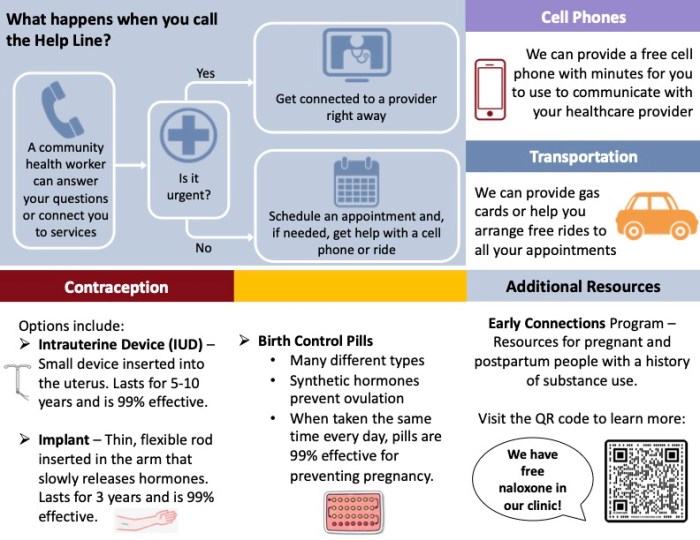
Nutrition plays a crucial role in reproductive health outcomes, especially in marginalized communities where access to proper food and nutrients may be limited. The link between nutrition and reproductive health is significant, affecting fertility, pregnancy outcomes, and overall well-being.
Impact of Food Insecurity on Reproductive Health
Food insecurity, which is prevalent in marginalized communities, can have detrimental effects on reproductive health. Inadequate access to nutritious food can lead to nutritional deficiencies, impacting fertility, increasing the risk of pregnancy complications, and affecting maternal and child health outcomes.
- Malnutrition and micronutrient deficiencies can contribute to infertility and reproductive disorders.
- Pregnant individuals experiencing food insecurity are at higher risk of delivering low birth weight babies and facing obstetric complications.
- Children born to malnourished mothers are more likely to suffer from developmental delays and long-term health issues.
Recommendations for Improving Nutritional Support
Improving nutritional support in marginalized populations is crucial for enhancing reproductive health outcomes. Here are some recommendations to address food insecurity and promote better nutrition:
- Implementing community-based nutrition programs to provide education on healthy eating habits and access to affordable, nutritious food options.
- Supporting local agriculture initiatives to increase the availability of fresh produce in underserved areas.
- Collaborating with healthcare providers to screen for nutritional deficiencies and offer supplementation when necessary.
- Advocating for policies that address food deserts and improve food access in marginalized communities.
Conclusive Thoughts
In conclusion, the discussion on reproductive health in marginalized communities highlights the urgent need for action and advocacy to bridge the gaps in healthcare services and address disparities effectively. By empowering individuals and promoting cultural competence, we can work towards a more equitable future for all.
Questions Often Asked
How do socioeconomic factors impact reproductive health in marginalized communities?
Socioeconomic factors like poverty and education levels can significantly affect access to reproductive healthcare services, leading to disparities in health outcomes.
What are some examples of cultural and social stigma affecting reproductive health practices in marginalized communities?
Cultural beliefs and social stigma can create barriers to accessing reproductive healthcare, influencing decisions around family planning and reproductive rights.
Why is mental health integration important in reproductive healthcare for marginalized populations?
Mental health challenges can impact reproductive decision-making and care access, making it crucial to integrate mental health support into reproductive healthcare services.
How can nutritional support improve reproductive health outcomes in marginalized communities?
Nutritional support plays a vital role in enhancing reproductive health outcomes by addressing food insecurity and promoting overall well-being in underserved populations.