Healthcare tips for reducing sugar intake sets the stage for this enthralling narrative, offering readers a glimpse into a story that is rich in detail and brimming with originality. In a world where sugar-laden temptations lurk around every corner, finding strategies to cut down on this sweet substance can be a game-changer for your health.
Let’s delve into the world of sugar reduction and discover how small changes can lead to big impacts on your well-being.
Let’s explore practical tips, delve into the repercussions of excessive sugar consumption, and uncover healthier alternatives to satisfy your sweet tooth without compromising your health.
Healthcare tips for reducing sugar intake
Reducing sugar intake is crucial for maintaining overall health and well-being. Here are some strategies to help minimize sugar consumption in daily meals and the benefits of doing so:
Impact of High Sugar Intake on Overall Health
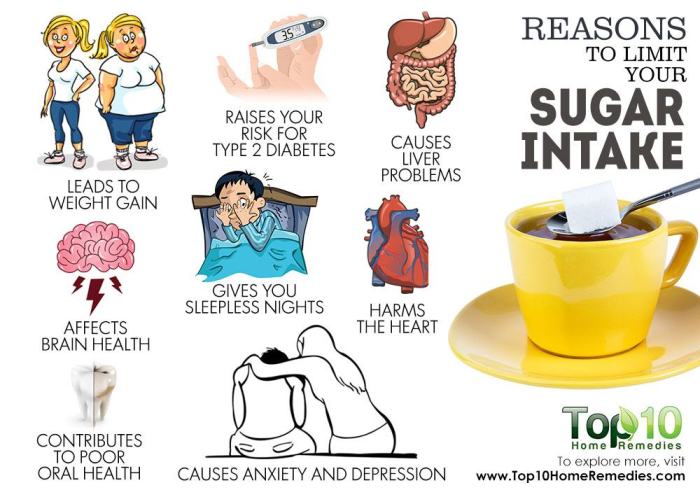
High sugar intake can lead to various health issues such as obesity, type 2 diabetes, heart disease, and dental problems. It can also contribute to inflammation in the body and weaken the immune system.
Low-Sugar Alternatives for Common High-Sugar Foods
- Swap sugary drinks with water, herbal tea, or infused water with fruits.
- Choose whole fruits instead of fruit juices or canned fruits packed in syrup.
- Opt for plain yogurt with fresh fruits instead of flavored yogurt with added sugars.
- Use natural sweeteners like stevia or monk fruit extract instead of refined sugars in recipes.
Benefits of Reducing Sugar Intake for Weight Management
Reducing sugar intake can help in weight management by reducing overall calorie intake. High sugar consumption often leads to weight gain, especially around the abdominal area, which is linked to an increased risk of chronic diseases.
Healthcare services
Regular health check-ups are essential for preventing and detecting potential health issues early on. By visiting healthcare providers regularly, individuals can monitor their overall well-being and address any concerns promptly. Healthcare services encompass a wide range of medical assistance, catering to various needs and conditions.
Range of medical services
- Primary care: Includes routine check-ups, vaccinations, and general health assessments.
- Specialized care: Involves services provided by specialists such as cardiologists, dermatologists, and oncologists.
- Emergency care: Immediate medical attention for critical situations, injuries, or sudden illnesses.
- Mental health services: Counseling, therapy, and support for mental well-being.
- Diagnostic services: Tests, imaging, and screenings to diagnose and monitor health conditions.
Importance of regular health check-ups
Regular health check-ups play a crucial role in preventive care by enabling healthcare providers to identify potential health risks early and recommend appropriate interventions. These check-ups help individuals stay informed about their health status, manage chronic conditions effectively, and promote overall well-being.
Role of healthcare professionals
- Health promotion: Healthcare professionals educate patients about healthy lifestyle choices, preventive measures, and disease management strategies.
- Diagnosis and treatment: Healthcare professionals diagnose health conditions, develop treatment plans, and monitor patients’ progress.
- Preventive care: Healthcare professionals emphasize the importance of preventive screenings, vaccinations, and lifestyle modifications to reduce health risks.
- Support and guidance: Healthcare professionals offer emotional support, guidance, and resources to help patients navigate their healthcare journey.
Medical care
Receiving medical treatment in a healthcare facility is a crucial aspect of maintaining overall health and well-being. It involves a series of steps that ensure patients receive the appropriate care for their specific needs.When seeking medical care, it is essential to choose the right healthcare provider who can address your unique concerns effectively.
Consider factors such as the provider’s expertise, experience, and specialization in the relevant area of healthcare. Additionally, look for healthcare facilities that have a good reputation for providing quality care and positive patient outcomes.Continuity of care plays a significant role in maintaining health, as it involves consistent and coordinated healthcare services over time.
This continuity ensures that patients receive ongoing support, follow-up care, and monitoring to manage chronic conditions effectively. It also promotes better communication between healthcare providers, leading to more personalized and effective treatment plans for patients.
Tips for choosing the right healthcare provider
- Research the provider’s credentials, experience, and specialization to ensure they align with your specific health needs.
- Consider the provider’s communication style and approach to patient care to ensure a good fit for your preferences.
- Seek recommendations from trusted sources, such as friends, family, or other healthcare professionals, to find a reputable healthcare provider.
- Check patient reviews and ratings online to gauge the provider’s reputation and patient satisfaction levels.
Health insurance

Health insurance is a crucial aspect of overall healthcare planning. It provides financial coverage for medical expenses, ensuring that individuals can access necessary treatments without facing significant financial burdens. Understanding the different types of health insurance plans available and selecting a suitable policy is essential for managing healthcare costs effectively.
Types of health insurance plans
- Health Maintenance Organization (HMO): These plans require individuals to choose a primary care physician and obtain referrals for specialist visits.
- Preferred Provider Organization (PPO): PPO plans offer more flexibility in choosing healthcare providers and do not require referrals for specialist consultations.
- Exclusive Provider Organization (EPO): EPO plans offer coverage only for services provided by in-network healthcare providers, except in emergencies.
- High Deductible Health Plan (HDHP): HDHPs have lower monthly premiums but higher deductibles, suitable for individuals willing to take on more out-of-pocket costs.
Tips for selecting a suitable health insurance policy
- Consider your healthcare needs: Evaluate your medical history, current health status, and anticipated healthcare needs to choose a plan that provides adequate coverage.
- Compare coverage and costs: Look into the premiums, deductibles, copayments, and coinsurance rates of different plans to find one that fits your budget and healthcare requirements.
- Check network providers: Ensure that the health insurance plan includes your preferred doctors, hospitals, and specialists within its network to access quality care.
- Review prescription drug coverage: If you require ongoing medication, check if the plan covers your prescriptions and assess any associated costs.
Importance of health insurance coverage for accessing medical services
Health insurance coverage plays a vital role in ensuring timely access to medical services and treatments. Without insurance, individuals may delay seeking necessary healthcare due to financial concerns, leading to worsened health outcomes. Health insurance provides a safety net by covering a portion of medical expenses, reducing the financial burden on individuals and enabling them to prioritize their health and well-being.
Medical research
Medical research plays a crucial role in advancing healthcare practices by providing valuable insights into diseases, treatments, and preventive measures. Researchers conduct studies to uncover new information, test hypotheses, and improve existing healthcare protocols.
Impact on treatment options
Medical research findings have a significant impact on treatment options available to patients. By identifying effective therapies, medications, and procedures through rigorous scientific investigation, researchers help healthcare providers make informed decisions about patient care.
- Research on personalized medicine has led to tailored treatment plans based on individual genetic profiles, improving patient outcomes and reducing adverse effects.
- Studies on the efficacy of certain medications have resulted in the development of new drugs that offer better results with fewer side effects.
- Research into innovative surgical techniques has enabled surgeons to perform complex procedures with greater precision and reduced recovery times.
Recent breakthroughs
Recent medical research breakthroughs have revolutionized healthcare practices and paved the way for groundbreaking treatments and interventions.
-
A study published in a leading medical journal revealed a new drug that effectively targets cancer cells while minimizing damage to healthy tissues, offering hope to patients with advanced forms of the disease.
-
Researchers discovered a genetic mutation that predisposes individuals to a rare autoimmune disorder, leading to improved diagnostic methods and personalized treatment approaches for affected patients.
-
A clinical trial demonstrated the efficacy of a novel therapy in reversing the symptoms of a neurodegenerative disease, opening up possibilities for future treatment options for patients with similar conditions.
Health facilities
When it comes to health facilities, it is crucial to consider key features that contribute to their effectiveness in providing quality care to patients. Choosing a reputable health facility for medical needs is essential for ensuring the best possible outcomes.
Additionally, maintaining cleanliness and hygiene in health facilities plays a vital role in preventing the spread of infections and promoting overall wellness.
Key Features of a Well-equipped Healthcare Facility
- State-of-the-art medical equipment and technology to support accurate diagnosis and treatment
- Qualified and experienced healthcare professionals, including doctors, nurses, and support staff
- Comprehensive medical services and specialties to cater to a wide range of patient needs
- Efficient systems for patient management, scheduling, and record-keeping
- Comfortable and well-maintained facilities to create a healing environment for patients
Choosing a Reputable Health Facility
- Research and gather information about the facility’s reputation, patient reviews, and accreditation status
- Consider the proximity of the facility to your location for easy access in case of emergencies
- Check if the facility offers the medical services and specialties you require for your specific health needs
- Evaluate the qualifications and experience of the healthcare professionals working at the facility
- Visit the facility in person to assess its cleanliness, organization, and overall environment
Importance of Cleanliness and Hygiene in Health Facilities
Ensuring cleanliness and hygiene in health facilities is crucial for preventing the spread of infections and maintaining a safe environment for patients, staff, and visitors. Proper sanitation practices, regular disinfection of surfaces, and adherence to hygiene protocols help reduce the risk of healthcare-associated infections and promote overall wellness.
Patients should feel confident in the cleanliness of the facility where they are receiving medical care, as it directly impacts their health outcomes.
Health clinic
Health clinics are medical facilities that provide a range of healthcare services to individuals in need. These clinics are often staffed with doctors, nurses, and other healthcare professionals who can address various medical concerns.
Services Offered at a Health Clinic
- Primary care services for general health check-ups and treatment of common illnesses.
- Preventive care such as vaccinations, screenings, and health education.
- Chronic disease management for conditions like diabetes, hypertension, and asthma.
- Urgent care for minor injuries and illnesses that require immediate attention.
- Referrals to specialists for specialized medical care beyond the clinic’s scope.
Tips for Making the Most of a Visit to a Health Clinic
- Come prepared with a list of your medical history, current medications, and any questions or concerns you may have.
- Be honest and open with your healthcare provider about your symptoms, lifestyle habits, and any changes in your health.
- Follow up on any recommendations or referrals given by your healthcare provider to ensure continuity of care.
- Ask for clarification if you do not understand any instructions or information provided during your visit.
- Take notes during your visit to remember important details discussed with your healthcare provider.
Benefits of Establishing a Relationship with a Primary Care Provider at a Health Clinic
- Consistent and coordinated care for all your healthcare needs.
- Personalized treatment plans tailored to your individual health goals and concerns.
- Early detection and management of potential health issues through regular check-ups and screenings.
- Improved communication and trust between you and your healthcare provider, leading to better health outcomes.
- Access to a healthcare professional who knows your medical history and can provide comprehensive care.
Health systems
The components of a well-functioning healthcare system include:
- Access to quality medical care for all individuals
- Efficient delivery of healthcare services
- Adequate funding and resources for healthcare facilities
- Skilled healthcare professionals
- Effective communication and coordination among healthcare providers
Challenges faced by healthcare systems globally:
- Limited access to healthcare in underserved areas
- Rising healthcare costs
- Shortage of healthcare workers
- Inadequate infrastructure and technology in some regions
- Health disparities based on socioeconomic factors
Successful health system interventions
Some examples of successful health system interventions in improving public health include:
- Implementation of universal healthcare coverage to ensure access for all individuals
- Integration of technology to streamline healthcare delivery and improve patient outcomes
- Public health campaigns to raise awareness about preventive measures and healthy lifestyle choices
- Investment in training and education for healthcare professionals to enhance quality of care
Summary
In conclusion, Healthcare tips for reducing sugar intake provides a roadmap to better health by guiding you through the maze of sugar-laden choices. By implementing these strategies and making conscious decisions about your sugar consumption, you can take charge of your health and pave the way for a sweeter, healthier future.
Q&A
How can I reduce sugar intake without feeling deprived of sweet treats?
You can try incorporating natural sweeteners like stevia or monk fruit, opting for whole fruits instead of sugary snacks, and gradually reducing the amount of sugar in your recipes.
What are the risks of consuming too much sugar?
Excessive sugar intake can lead to weight gain, increased risk of chronic diseases like diabetes and heart disease, and dental issues.
How can I identify hidden sugars in packaged foods?
Check the ingredient list for terms like sucrose, high fructose corn syrup, and dextrose. Also, be wary of products labeled as “low-fat” or “diet” as they may contain added sugars.