
Health technology for fertility tracking opens the door to a world where monitoring one’s reproductive health is made easier and more efficient through innovative technological solutions. With the increasing integration of technology into healthcare, the realm of fertility tracking has seen significant advancements that offer individuals valuable insights into their reproductive cycles.
This article delves into the various aspects of health technology for fertility tracking, from its benefits to challenges and future trends, providing a comprehensive overview of this evolving field.
Introduction to Health Technology for Fertility Tracking
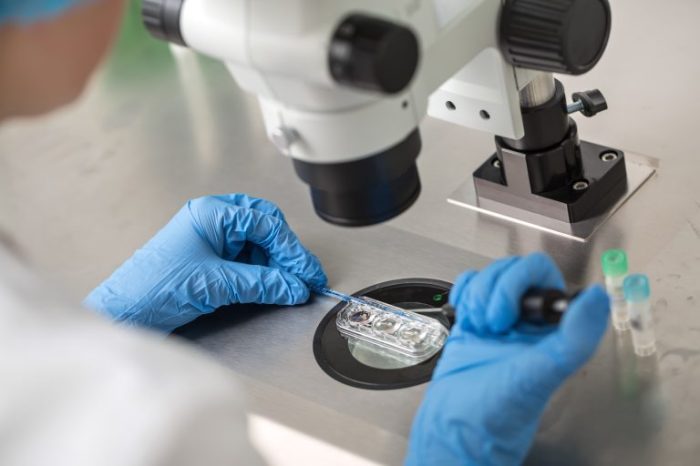
Health technology for fertility tracking involves the use of devices or apps to monitor and track various fertility indicators in order to help individuals better understand their reproductive health.
Utilizing technology for monitoring fertility can provide valuable insights into a person’s menstrual cycle, ovulation period, and overall reproductive health. This information can be crucial for those trying to conceive or avoid pregnancy.
Popular Fertility Tracking Devices or Apps
- 1. Fitbit Sense:This smartwatch not only tracks fitness but also includes a feature for monitoring menstrual cycles and predicting fertile windows.
- 2. Clue:A popular period tracking app that allows users to log menstrual cycle data, symptoms, and ovulation predictions.
- 3. Tempdrop:A wearable basal body temperature sensor that helps track ovulation and fertile days by recording temperature fluctuations.
Benefits of Health Technology for Fertility Tracking
Health technology for fertility tracking offers numerous advantages over traditional methods, providing women with a more efficient and accurate way to monitor their reproductive health.
Accuracy and Precision
Modern fertility tracking devices use advanced algorithms and sensors to provide precise data on ovulation cycles, basal body temperature, and hormonal changes. This allows for more accurate predictions of fertile days and optimal timing for conception.
Convenience and Ease of Use
Health technology solutions for fertility tracking often come in the form of wearable devices or smartphone apps, making it convenient for women to monitor their fertility on-the-go. This ease of use encourages consistent tracking and helps users stay informed about their reproductive health.
Personalized Insights
By collecting and analyzing data over time, health technology for fertility tracking can offer personalized insights into individual cycles and patterns. This tailored information can help women better understand their fertility window and make informed decisions about family planning.
Challenges in Implementing Health Technology for Fertility Tracking
Implementing health technology for fertility tracking comes with its fair share of challenges. One of the main obstacles faced is the accuracy and reliability of the data collected. While these technologies are designed to track various fertility parameters, such as basal body temperature, cervical mucus, and ovulation cycles, there may be discrepancies or inaccuracies in the data recorded, leading to potential misinterpretations.
Privacy Concerns in Storing Sensitive Fertility Data
When it comes to fertility tracking, privacy concerns are paramount. Users may be apprehensive about sharing such intimate and sensitive data with technology platforms, fearing potential breaches or misuse of their information. Ensuring the security and confidentiality of fertility data is crucial for the successful adoption of health technology for fertility tracking.
Adapting to Fertility Tracking Technology
Adapting to fertility tracking technology can be a learning curve for users, especially for those who are new to the concept. Understanding how to use the technology effectively, interpreting the data accurately, and making informed decisions based on the insights provided can take time and effort.
Users may also face challenges in integrating fertility tracking into their daily routines and making it a consistent practice.
Future Trends in Health Technology for Fertility Tracking
As technology continues to advance rapidly, the future of fertility tracking holds exciting possibilities for improving accuracy, convenience, and effectiveness in monitoring reproductive health.
Advancements in Fertility Tracking Technology
One potential advancement in fertility tracking technology is the development of wearable devices that can continuously monitor key reproductive hormones, such as estrogen and progesterone, in real-time. These devices could provide more precise data for predicting ovulation and identifying fertile windows, ultimately increasing the chances of conception.
Potential Innovations Revolutionizing Fertility Monitoring
- Implantable microchips: Imagine a tiny, implantable device that can automatically track hormonal fluctuations and transmit data to a smartphone app. This innovation could offer a discreet and seamless way to monitor fertility.
- Genetic testing integration: Future fertility tracking technology may incorporate genetic testing to provide personalized insights into fertility potential and risks. By analyzing genetic markers related to reproductive health, individuals could have a better understanding of their fertility status.
Artificial Intelligence Enhancing Fertility Tracking Accuracy
Artificial intelligence (AI) has the potential to revolutionize fertility tracking by analyzing vast amounts of data to predict ovulation with greater precision. AI algorithms could learn from individual cycles and adapt recommendations based on specific patterns, ultimately improving the accuracy of fertility predictions.
Impact of Health Technology on Healthcare Services
Health technology, specifically fertility tracking technology, plays a crucial role in revolutionizing healthcare services by providing personalized and data-driven solutions for reproductive health.
Contribution to Healthcare Services
- Empowers individuals to take control of their reproductive health by offering insights into their menstrual cycles, ovulation patterns, and fertility windows.
- Enables healthcare providers to make informed decisions and recommendations based on accurate and real-time data captured by the technology.
- Facilitates early detection of fertility issues, allowing for timely interventions and personalized treatment plans.
Role in Improving Reproductive Health Outcomes
- Enhances fertility awareness and education among individuals, leading to better family planning and reproductive choices.
- Increases the chances of successful conception by identifying optimal timing for intercourse and fertility treatments.
- Reduces the stigma surrounding infertility by offering a discreet and convenient way to monitor and manage fertility health.
Integration with Existing Healthcare Systems
- Integrates seamlessly with electronic health records (EHR) systems to ensure continuity of care and facilitate collaboration among healthcare providers.
- Enables telemedicine consultations for remote monitoring and follow-ups, improving access to fertility care for individuals in underserved areas.
- Supports population health management initiatives by providing valuable data insights for public health programs and research studies.
Influence of Health Technology on Medical Research
Health technology, particularly fertility tracking devices, has significantly impacted medical research in the field of reproductive health. These innovative devices have opened up new opportunities for collaboration between technology companies and medical researchers, leading to advancements in understanding fertility patterns and reproductive health.
Collaborations between Technology Companies and Medical Researchers
- Technology companies are working closely with medical researchers to develop cutting-edge fertility tracking devices that provide accurate data on menstrual cycles, ovulation, and other key fertility indicators.
- These collaborations have led to the integration of advanced algorithms and artificial intelligence into fertility tracking apps, enhancing the precision and reliability of the data collected.
- Medical researchers benefit from access to large datasets gathered from these devices, enabling them to conduct studies on various aspects of reproductive health and fertility.
Data Contribution to Medical Studies
- Data collected from fertility tracking devices plays a crucial role in medical studies focused on understanding fertility patterns, identifying potential fertility issues, and improving reproductive health outcomes.
- Researchers analyze this data to identify trends, correlations, and factors influencing fertility, leading to the development of new diagnostic tools and treatment options for individuals struggling with infertility.
- The real-time feedback provided by these devices allows researchers to monitor changes in fertility parameters over time, facilitating longitudinal studies and personalized interventions for better reproductive health management.
Access to Health Facilities and Health Clinics
Access to health facilities and clinics is crucial for individuals seeking fertility tracking services. Health technology plays a significant role in enhancing this access and providing convenient solutions for monitoring fertility.
Enhanced Accessibility through Technology
Health technology has revolutionized the way individuals can access fertility tracking services. With the use of mobile apps, wearable devices, and online platforms, people can easily monitor their reproductive health from the comfort of their homes. This accessibility eliminates the need for frequent visits to healthcare facilities, making it more convenient for individuals with busy schedules or limited mobility.
Clinics Offering Fertility Tracking Services
- Many health facilities and clinics now offer fertility tracking services that utilize advanced health technology. These clinics provide a range of options for monitoring fertility, such as ovulation tracking, cycle analysis, and personalized recommendations based on data collected from digital tools.
- Some examples of health facilities that offer fertility tracking services include fertility clinics specializing in assisted reproductive technologies, women’s health clinics that focus on holistic approaches to reproductive wellness, and telemedicine platforms that connect patients with healthcare providers remotely for fertility consultations.
- By incorporating health technology into their services, these clinics are able to offer comprehensive and personalized care to individuals seeking to optimize their fertility potential.
Healthcare Tips for Using Fertility Tracking Technology
Fertility tracking technology can be a valuable tool for individuals looking to monitor their reproductive health and plan for conception. To make the most of this technology, consider the following tips:
Maximizing the Benefits of Fertility Tracking
- Consistency is key: Make sure to track your fertility signs regularly to get accurate data.
- Stay informed: Educate yourself on the different fertility indicators and how they can help you understand your cycle.
- Consult a healthcare provider: If you have any concerns or questions about your fertility data, seek professional advice.
Choosing the Right Fertility Tracking Device or App
- Research different options: Look into the features and reviews of various fertility tracking devices or apps to find one that suits your needs.
- Consider your preferences: Decide whether you prefer a wearable device, a smartphone app, or a combination of both for tracking.
- Check for accuracy: Choose a device or app that has been clinically validated for accurate fertility tracking.
Interpreting Data from Fertility Tracking Technology
- Understand your cycle: Learn how to interpret changes in your fertility signs throughout your menstrual cycle.
- Look for patterns: Identify recurring trends in your data to predict ovulation and fertile days more effectively.
- Seek professional help: If you are unsure about interpreting your fertility data, consult a healthcare provider or fertility specialist for guidance.
Final Summary
As we conclude our exploration of health technology for fertility tracking, it becomes evident that the intersection of healthcare and technology holds immense promise for improving reproductive health outcomes. By leveraging the power of innovative solutions, individuals can gain better awareness of their fertility cycles and make informed decisions regarding their reproductive well-being.
The future of fertility tracking technology is indeed exciting, paving the way for enhanced monitoring and understanding of one’s fertility.
FAQ
How accurate are fertility tracking devices?
Fertility tracking devices vary in accuracy, with some utilizing advanced algorithms to provide precise predictions while others may have limitations. It’s essential to research and choose a device that aligns with your needs and preferences.
Are fertility tracking apps secure in terms of data privacy?
Most fertility tracking apps prioritize data privacy and employ measures to safeguard sensitive information. However, it’s advisable to review the privacy policies of any app you use and ensure that your data is protected.
Can fertility tracking technology help in identifying fertility issues?
Fertility tracking technology can offer insights into your reproductive health and identify potential issues by tracking patterns in your menstrual cycle. While it can provide valuable information, consulting a healthcare provider for a comprehensive assessment is recommended for accurate diagnosis and treatment.


