
Embarking on the journey of Comprehensive medical care plans for chronic diseases, the narrative unfolds in a compelling and distinctive manner, drawing readers into a story that promises to be both engaging and uniquely memorable.
Exploring the intricate details of healthcare services, medical care, health insurance, medical research, health facilities, health clinics, healthcare tips, and health systems in the context of chronic disease management sets the stage for a comprehensive understanding of this crucial topic.
Healthcare services
Healthcare services play a crucial role in managing chronic diseases by providing comprehensive care and support to patients with long-term conditions. These services are designed to cater to the specific needs of individuals dealing with chronic illnesses, ensuring they receive appropriate medical attention, monitoring, and treatment to improve their quality of life.
Types of healthcare services
- Hospitals: Hospitals offer a range of services for chronic disease management, including specialized medical care, diagnostic tests, surgical procedures, and inpatient/outpatient treatment options.
- Primary Care Clinics: Primary care clinics serve as the first point of contact for patients seeking medical assistance, providing routine check-ups, preventive care, and ongoing management of chronic conditions.
- Specialized Clinics: Specialized clinics focus on specific chronic diseases such as diabetes, cardiovascular conditions, or respiratory disorders, offering specialized care, education, and management strategies tailored to each patient’s needs.
- Home Healthcare Services: Home healthcare services provide medical care and support to patients in the comfort of their own homes, including medication management, wound care, physical therapy, and monitoring of vital signs.
Medical care
Comprehensive medical care plans for chronic diseases play a crucial role in managing the condition effectively and improving the quality of life for patients. These plans are designed to address the specific needs of individuals with chronic illnesses and provide a structured approach to treatment and care.Medical interventions commonly included in care plans for chronic conditions may vary depending on the type of disease and the individual’s unique circumstances.
Some examples of medical interventions that are often part of these plans include:
Medication management
- Prescription of medications to manage symptoms and slow disease progression.
- Monitoring of medication adherence and potential side effects.
- Adjustment of medication dosages based on the individual’s response to treatment.
Regular monitoring and check-ups
- Scheduled appointments with healthcare providers to track disease progression and overall health.
- Monitoring of vital signs, blood tests, imaging studies, and other diagnostic tests as needed.
- Collaboration with healthcare team members to ensure comprehensive care and timely interventions.
Lifestyle modifications and self-care
- Educating patients on healthy lifestyle choices, such as diet, exercise, and stress management.
- Encouraging self-monitoring of symptoms and adherence to treatment plans.
- Providing resources and support for patients to navigate challenges related to their condition.
The multidisciplinary approach to medical care for chronic diseases involves a team of healthcare professionals working together to address the various aspects of the patient’s health and well-being. This team may include doctors, nurses, pharmacists, dietitians, physical therapists, and mental health professionals, among others.
By combining their expertise and collaborating closely, these professionals can provide holistic care that considers the physical, emotional, and social needs of patients with chronic conditions.
Health insurance
Health insurance plays a crucial role in providing financial protection and access to necessary medical care for individuals with chronic illnesses. It helps cover the costs of ongoing treatments, medications, and other healthcare services required to manage these conditions.
Types of health insurance plans for chronic diseases
- Medicare: A federal health insurance program for individuals aged 65 and older, as well as certain younger people with disabilities. It consists of different parts, such as Part A (hospital insurance) and Part B (medical insurance), that can help cover various medical expenses related to chronic diseases.
- Medicaid: A state and federally funded program that provides health coverage to low-income individuals and families. It offers comprehensive benefits that can include coverage for chronic disease management.
- Private Health Insurance: Offered by employers or purchased individually, private health insurance plans vary in coverage and cost. Some plans provide extensive coverage for chronic conditions, including prescription medications and specialist visits.
Challenges in accessing adequate health insurance for chronic conditions
- Cost: Premiums, deductibles, and copayments associated with health insurance plans can be prohibitively expensive, making it difficult for individuals with chronic illnesses to afford necessary coverage.
- Pre-existing Conditions: Prior to the Affordable Care Act, individuals with pre-existing conditions could be denied coverage or charged higher premiums. While the ACA prohibits this practice, some individuals may still face challenges in obtaining affordable health insurance.
- Limited Coverage: Certain health insurance plans may not provide comprehensive coverage for all aspects of chronic disease management, leaving individuals to bear a significant portion of the costs out-of-pocket.
Medical research
Medical research plays a crucial role in advancing treatment options for chronic diseases. By conducting studies, trials, and experiments, researchers can uncover new insights and develop innovative approaches to managing these long-term health conditions.Recent advancements in medical research related to chronic disease management have focused on personalized medicine, targeted therapies, and precision medicine.
These approaches aim to tailor treatment plans to individual patients based on their unique genetic makeup, lifestyle factors, and disease progression.Medical research significantly influences the development of comprehensive care plans for chronic illnesses. By providing evidence-based recommendations and guidelines, research findings help healthcare providers design more effective and personalized treatment strategies for patients with chronic conditions.
Health facilities
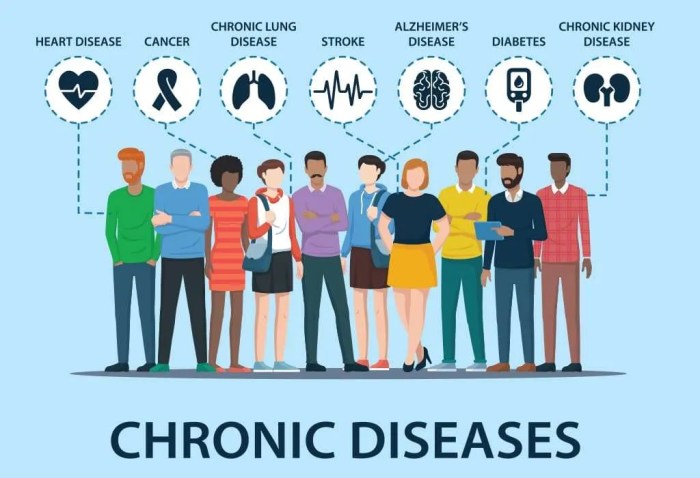
When it comes to delivering comprehensive medical care for chronic diseases, specialized health facilities play a crucial role in ensuring the best possible outcomes for patients. These facilities are equipped with the necessary resources, expertise, and technology to provide tailored treatment and management plans for individuals with chronic conditions.
Specialized Health Facilities
- Specialized health facilities, such as chronic disease management clinics, offer multidisciplinary care teams consisting of doctors, nurses, dietitians, and other specialists who work together to address the various aspects of a patient’s condition.
- These facilities often have advanced diagnostic tools and treatment options specifically designed for managing chronic diseases, leading to more accurate diagnoses and effective interventions.
- Patients benefit from personalized care plans that take into account their unique medical history, lifestyle factors, and preferences, ultimately improving adherence to treatment and overall health outcomes.
Comparison of Health Facility Services
- Hospitals: Hospitals provide a wide range of services for managing chronic diseases, including inpatient care, surgical procedures, and emergency interventions. They serve as important hubs for acute care and specialized treatments.
- Primary Care Centers: Primary care centers focus on preventive care, early detection, and ongoing management of chronic conditions. They often serve as the first point of contact for patients seeking medical assistance.
- Specialty Clinics: Specialty clinics offer targeted care for specific chronic diseases, such as diabetes clinics or heart failure centers. These clinics provide expertise in managing particular conditions and may offer specialized treatment options.
Health clinic
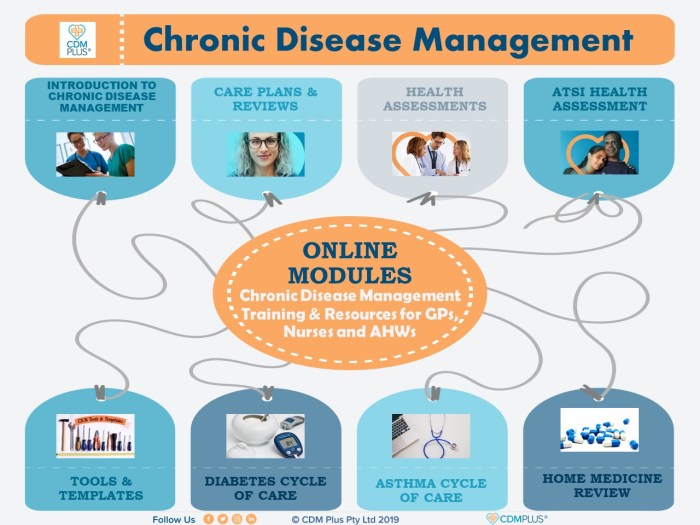
Health clinics play a crucial role in providing ongoing care and support for individuals with chronic diseases. These clinics offer a wide range of services tailored to managing chronic conditions and work collaboratively with other healthcare providers to ensure comprehensive care for patients with long-term illnesses.
Services Offered at Health Clinics
- Regular check-ups and monitoring of chronic conditions
- Medication management and prescription refills
- Dietary and nutrition counseling
- Physical therapy and rehabilitation services
- Mental health support and counseling
- Health education and disease management programs
Collaboration with Healthcare Providers
Health clinics collaborate with primary care physicians, specialists, hospitals, and other healthcare providers to ensure a coordinated approach to managing chronic illnesses. This collaboration involves sharing patient information, treatment plans, and updates on the patient’s progress to provide seamless and holistic care.
Healthcare tips
Managing chronic conditions at home is crucial for maintaining overall health and well-being. Here are some practical tips to help individuals effectively navigate life with a chronic disease.
Importance of Regular Exercise
Regular physical activity plays a significant role in managing chronic illnesses. Engaging in low-impact exercises such as walking, swimming, or yoga can help improve cardiovascular health, boost mood, and increase overall energy levels. It is important to consult with a healthcare provider before starting any new exercise regimen.
Nutritious Diet
A balanced and nutritious diet is essential for managing chronic conditions. Incorporating fruits, vegetables, whole grains, lean proteins, and healthy fats into daily meals can help regulate blood sugar levels, maintain a healthy weight, and reduce the risk of complications associated with chronic diseases.
Stress Management Techniques
Chronic illnesses can often be exacerbated by stress. Practicing mindfulness techniques, deep breathing exercises, and meditation can help reduce stress levels and improve overall mental well-being. It is important to prioritize self-care and seek support from friends, family, or a mental health professional when needed.
Regular Health Check-ups
Consistent monitoring of health markers and regular check-ups with healthcare providers are essential for managing chronic diseases. Routine screenings, blood tests, and other diagnostic measures can help track progress, adjust treatment plans, and detect any potential complications early on.
Medication Adherence
Following medication schedules as prescribed by healthcare providers is crucial for effectively managing chronic conditions. It is important to take medications on time, in the correct dosage, and to communicate any concerns or side effects with healthcare professionals promptly.
Health systems
Health systems play a crucial role in delivering comprehensive care for chronic diseases by providing the necessary infrastructure, resources, and support for patients.
Structural Variations in Health Systems
Health systems vary across countries and regions, leading to differences in the effectiveness of managing chronic conditions. Some key structural variations include:
- The presence of a universal healthcare system versus a privatized healthcare system.
- The availability of primary care physicians and specialists for chronic disease management.
- The integration of electronic health records and telemedicine for remote monitoring and follow-up.
Challenges and Opportunities for Improvement
Despite the importance of health systems in addressing the needs of patients with chronic illnesses, there are several challenges that need to be overcome and opportunities for improvement:
- Challenges in coordination and continuity of care among different healthcare providers.
- Lack of standardized protocols for managing chronic diseases leading to variations in care quality.
- Inadequate access to healthcare services for marginalized populations with chronic conditions.
Improving health systems through better integration of care, standardized guidelines, and increased access to healthcare can lead to better outcomes for patients with chronic diseases.
Last Point
In conclusion, the discussion on Comprehensive medical care plans for chronic diseases sheds light on the intricate web of factors that contribute to effective management of chronic conditions. From healthcare services to health systems, every component plays a vital role in ensuring individuals receive the care they need to lead fulfilling lives despite their health challenges.
Top FAQs
What are the key components of a comprehensive medical care plan for chronic diseases?
A comprehensive medical care plan typically includes a combination of medication management, lifestyle modifications, regular monitoring, and coordination between healthcare providers.
How important is health insurance coverage for individuals with chronic illnesses?
Health insurance coverage is crucial for individuals with chronic illnesses as it helps offset the high costs of medical care, ensuring they have access to necessary treatments and services.
What role do health clinics play in managing chronic diseases?
Health clinics provide ongoing care and support for individuals with chronic diseases, offering services such as regular check-ups, medication management, and educational resources.


